If you're shopping for cooling and wondering whether a portable air conditioner will actually keep your room comfortable — the short answer is yes, but with real trade-offs. Portable ACs work, but they're not a magic fix for every situation. Here's what to know before you spend the money.
How Portable Air Conditioners Work
A portable AC pulls warm air from the room, runs it over refrigerant coils to cool it, and blows the cooled air back into the room. The heat it extracts gets vented outside through an exhaust hose — usually out a window using a kit that comes with the unit.
This is the same basic refrigeration cycle used in central AC and mini splits. The difference is that a portable unit has the compressor, condenser, and evaporator all packed into one box sitting inside your room — which creates some inherent downsides.
Yes, They Cool — But There Are Limits
A properly sized portable AC can drop the temperature of a small-to-medium room by 10-15 degrees. For a bedroom, home office, or garage workshop, that's often enough to stay comfortable.
But here's where people run into problems:
- They're loud. The compressor is right there in the room with you. Most portable ACs run at 50-55 decibels — roughly the volume of a normal conversation. Some cheaper units are louder.
- They create negative pressure. The single-hose design exhausts warm air outside but pulls replacement air from gaps around doors and windows — some of which is warm outdoor air. Dual-hose models fix this but cost more.
- They're less efficient. A portable AC uses about 30-40% more energy than a window unit or mini split to cool the same space. The DOE's revised BTU ratings (SACC) make this clearer — a unit marketed as 14,000 BTU might only deliver 8,000 BTU of actual cooling.
- The exhaust hose radiates heat. That 5-inch hose running to the window is full of hot air, and it warms up the room slightly while the unit runs.
- Room size matters. Most portables realistically cool 150-350 sq ft. If your room is bigger or has lots of windows, the unit will run continuously and still struggle on hot days.
When a Portable AC Makes Sense
- You're renting and can't install a permanent system
- You need temporary cooling for one room (a garage, a guest room during summer visits)
- Your HOA or building won't allow window units or exterior equipment
- You need something today and can't wait for an installation appointment
In these situations, a portable AC is a reasonable solution. Just size it correctly — buy one rated for your room's actual square footage, not the minimum.
When You Should Consider Something Better
If you own your home and you're dealing with ongoing cooling issues, a portable AC is usually a band-aid, not a solution. Here in the Bay Area, summers have been getting warmer — Sunnyvale, San Jose, and Redwood City hit triple digits multiple times last year — and a portable unit struggling to keep one room at 78 degrees isn't going to cut it.
Better options for permanent cooling:
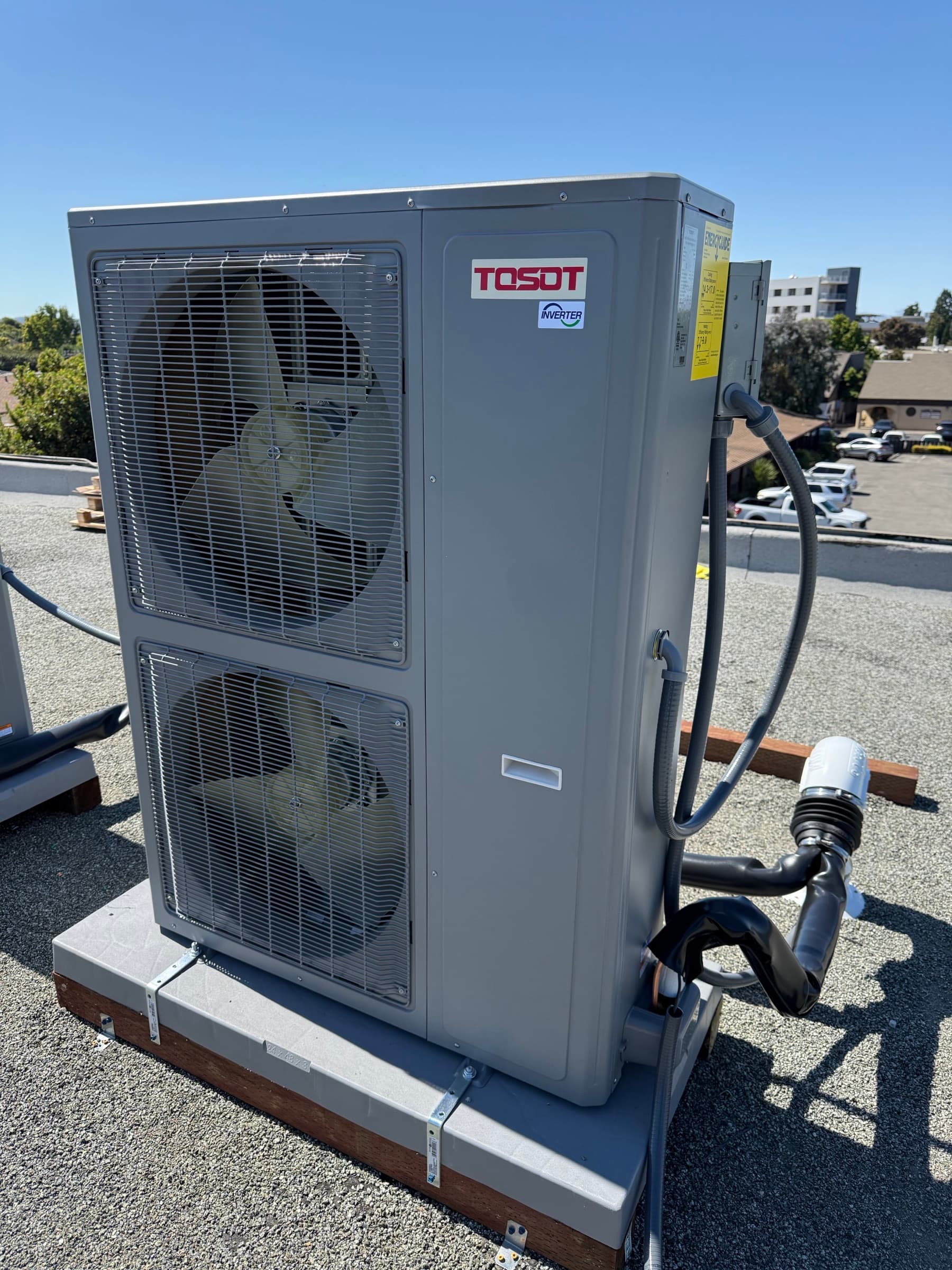
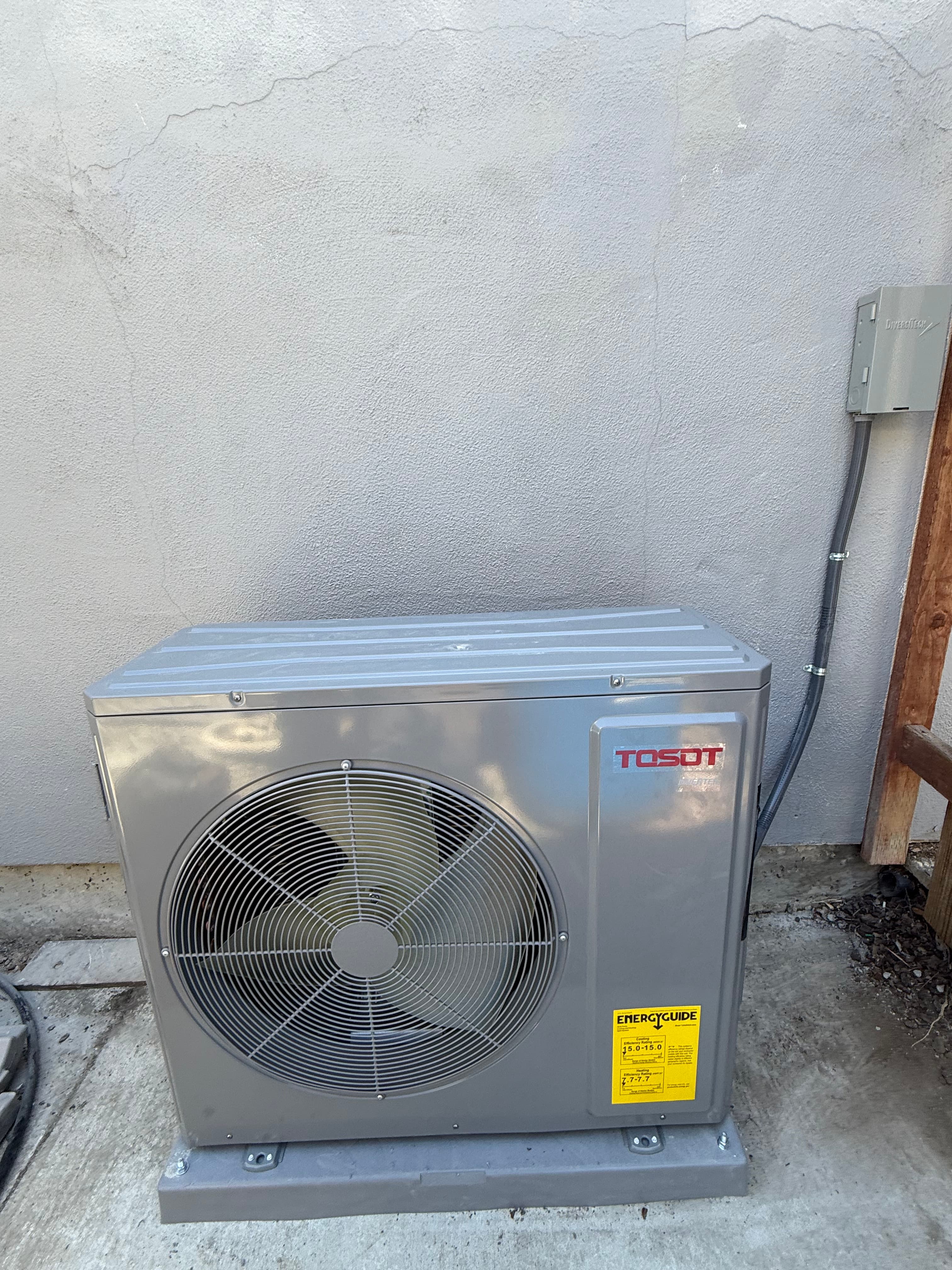
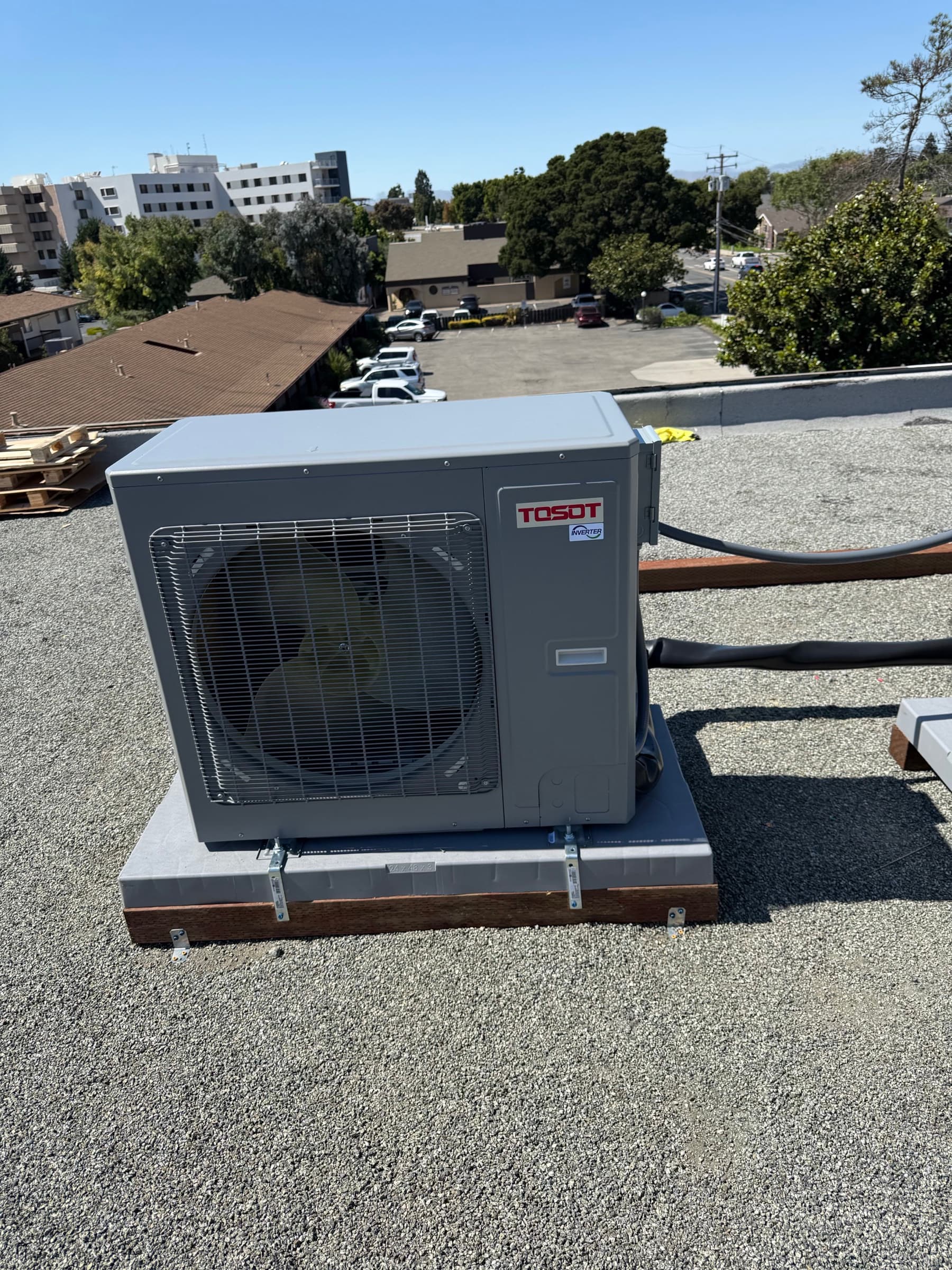
- A ductless mini split cools a single room or zone at 3x the efficiency of a portable AC, runs almost silently, and mounts on the wall. A single-zone install typically runs $3,500-$6,000 depending on the brand and placement.
- Central AC cools your whole house through existing ductwork. If you already have a furnace with ducts, adding AC is simpler and more cost-effective than most people assume.
- A heat pump does both heating and cooling in one system. If your furnace is aging, a heat pump replacement makes more financial sense than fixing the furnace and buying a separate AC.
Portable AC vs. Mini Split vs. Central AC
| Portable AC | Mini Split | Central AC | |
|---|---|---|---|
| Cooling capacity | 1 small room | 1-4 zones | Whole house |
| Efficiency (SEER) | 8-10 | 18-30+ | 14-22 |
| Noise level | 50-55 dB | 19-28 dB | Outdoor only |
| Installation | None (plug in) | Professional | Professional |
| Cost | $300-$700 | $3,500-$6,000 per zone | $5,000-$12,000 |
| Best for | Renters, temp use | ADUs, additions, rooms without ducts | Whole-home cooling |
The Bottom Line
Portable air conditioners do cool a room — but they're the least efficient and least comfortable way to do it. If you're a renter or need a quick fix, they work. If you own your home in the Bay Area and you're tired of being hot every summer, it's worth getting a quote on a mini split or central AC. The upfront cost pays back through lower energy bills, better comfort, and added home value.
Thinking about a permanent cooling solution? We install mini splits, central AC, and heat pumps across the Bay Area. Call (408) 300-8254 for a free estimate — no obligation.