It's a fair question — if the furnace burns gas, why does it need electricity? The answer catches a lot of homeowners off guard, especially during Bay Area power shutoffs and winter storms. Here's the straightforward explanation.
The Short Answer: No, It Won't Run
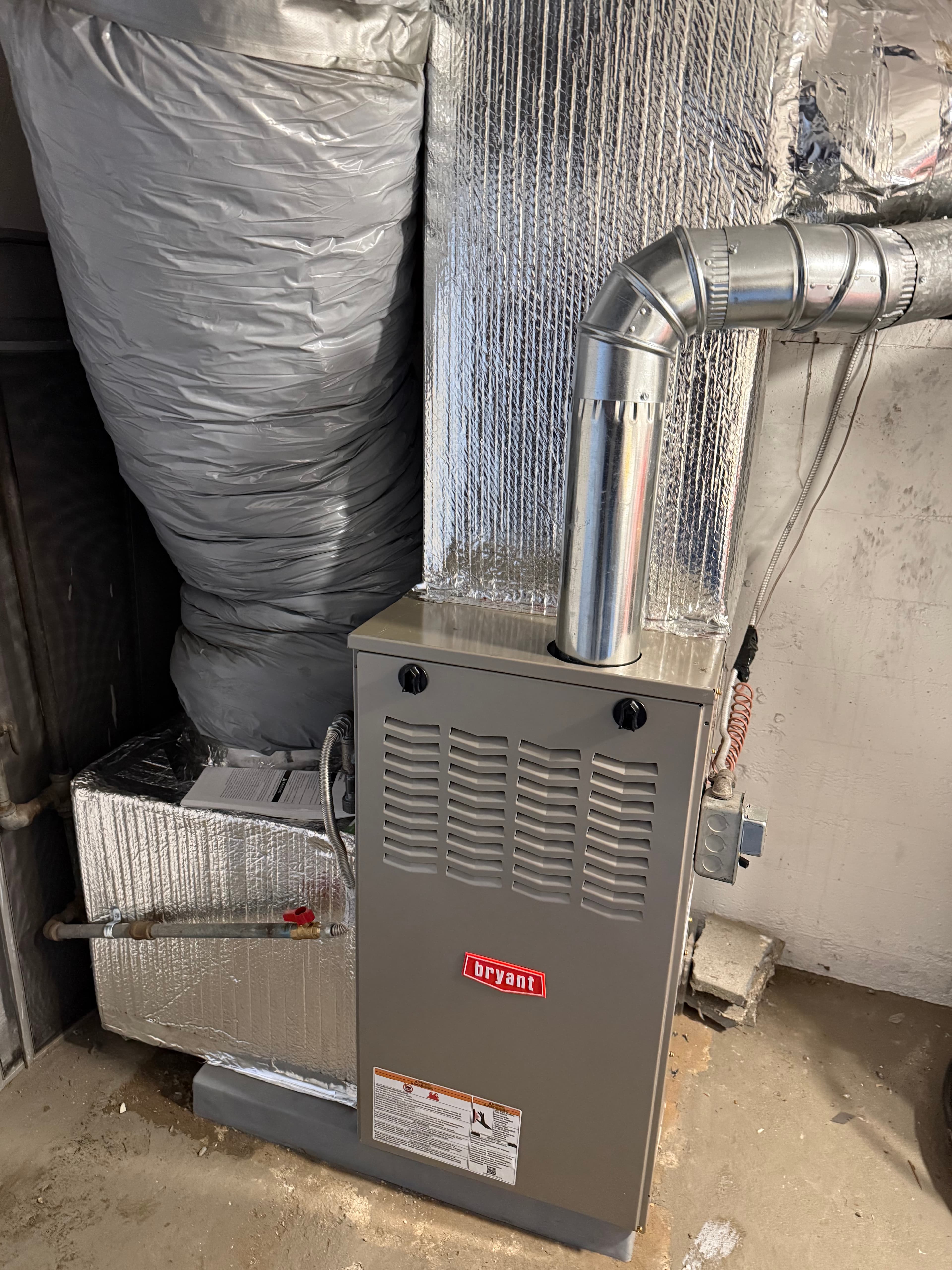
A modern gas furnace will not produce heat without electricity. Even though natural gas is the fuel, almost every component in the furnace that makes heating happen requires electrical power to operate.
Here's what needs electricity and why:
1. Electronic Ignition
Modern furnaces use either a hot surface igniter (a silicon carbide or nitride element that glows red-hot) or a direct spark ignition system. Both require electricity to light the burners. The standing pilot light that older furnaces used — which could light without power — was phased out in the 1990s because it wasted gas 24/7.
2. Blower Motor
This is the big one. The blower motor pushes heated air through your ductwork and into your rooms. Without it, even if the burners somehow lit, the heat would just sit in the heat exchanger. The blower draws 400-800 watts depending on the furnace size and whether it's a single-speed or variable-speed motor.
3. Thermostat
Your thermostat signals the furnace to turn on and off. Most thermostats are powered by 24V from the furnace's transformer. No electricity to the furnace means no power to the thermostat means no signal to start a heating cycle. Some smart thermostats (Nest, Ecobee) have backup batteries that keep the display on, but they still can't activate a furnace that has no power.
4. Gas Valve
The gas valve is electrically controlled. It opens to allow gas to the burners only when the control board tells it to. This is a safety feature — without electrical control, gas could flow unchecked, creating a dangerous situation.
5. Control Board
The circuit board coordinates the entire ignition sequence: draft motor starts → pressure switch confirms → igniter heats → gas valve opens → flame sensor confirms flame → blower starts. This sequence takes about 60-90 seconds and requires power at every step.
What About Older Furnaces with a Pilot Light?
If your furnace is old enough to have a standing pilot light (generally pre-1990s), the pilot itself stays lit without electricity. But even these older furnaces still need electricity for the blower motor and the gas valve that feeds the main burners. So the pilot might stay on during an outage, but you still won't get heat distributed through your house.
Some people try to light old furnaces manually during outages. This is dangerous and we don't recommend it — the safety interlocks exist for good reasons.
How to Stay Warm During a Power Outage
Bay Area power shutoffs (PSPS events from PG&E) and winter storms can knock out power for hours or days. Here are your options for heating without grid electricity:
- 1Portable generator — A 3,000-5,000 watt generator can run most residential furnaces. Connect the furnace through a transfer switch (not directly into an outlet — that's a code violation and an electrocution risk). Cost: $500-$1,500 for the generator, $500-$1,000 for transfer switch installation.
- 2Whole-house generator — Runs on natural gas and kicks on automatically when power drops. These start around $5,000-$8,000 installed but they cover your whole house, not just the furnace.
- 3Battery backup (like Tesla Powerwall) — Can power a furnace for 8-12 hours depending on the system and how often the furnace cycles. Solar + battery is the long-term play if you're in an area with frequent outages.
- 4Portable space heater (propane or kerosene) — Only use with proper ventilation. These produce carbon monoxide. Open a window, keep it away from anything flammable, and never use one while sleeping.
- 5Gas fireplace with a standing pilot — If you have one, this is your easiest option. A gas fireplace with a standing pilot (not electronic ignition) will work without electricity and can heat a main living area comfortably.
What to Do When Power Comes Back
After a power outage, your furnace should restart automatically when electricity is restored. If it doesn't:
- Check the thermostat — make sure it's set to heat and the temperature is set above the current room temperature
- Check the furnace switch — there's usually a light switch on or near the furnace that sometimes gets bumped off
- Check the circuit breaker — the breaker for the furnace may have tripped during the outage
- Reset the furnace — turn the power off for 30 seconds, then turn it back on. This resets the control board.
- If none of that works, call for HVAC repair. Power surges during outages can damage the control board or igniter.
Should You Upgrade to a Heat Pump?
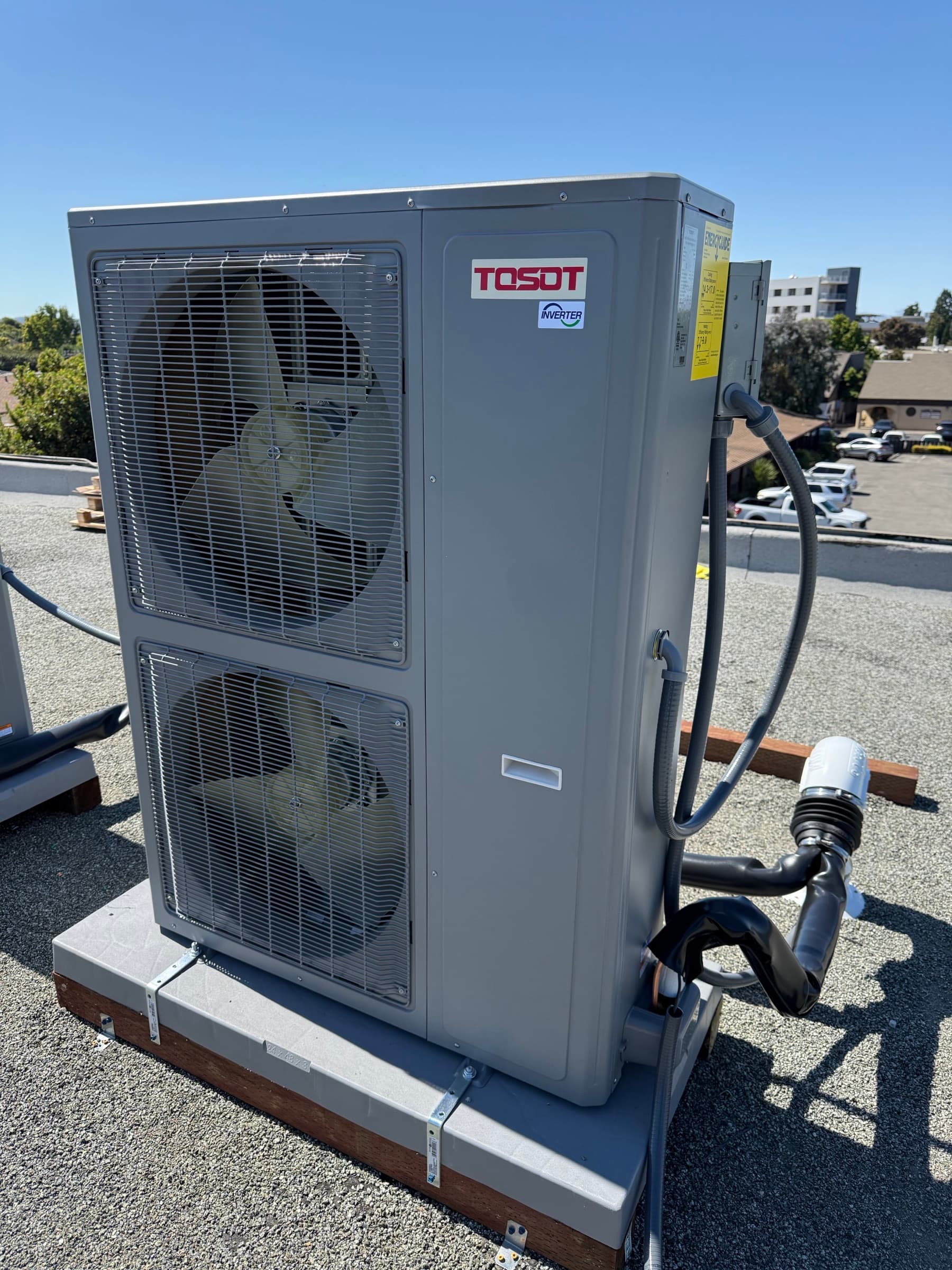
A heat pump also requires electricity — so it won't solve the power outage problem. But if you pair it with a battery backup or solar, a heat pump is significantly more efficient than a gas furnace (300% efficiency vs. 95% for a high-efficiency furnace). In the Bay Area's mild climate, heat pumps perform well year-round and qualify for federal IRA rebates of up to $2,000.
If your furnace is 15+ years old and you're thinking about replacement anyway, it's worth getting quotes on both furnace installation and a heat pump to compare the long-term costs.
The Bottom Line
Modern gas furnaces cannot run without electricity. The ignition, blower, thermostat, gas valve, and control board all require electrical power. If you live in an area with frequent outages, a generator or battery backup is the practical solution. And if your furnace is aging, consider whether a heat pump + battery storage makes more sense than replacing with another gas unit.
Need furnace repair after a power outage? Or thinking about upgrading to a heat pump? Call (408) 300-8254 for same-day service — we serve the entire Bay Area.