When your AC breaks down, the real question isn't just 'can it be fixed' — it's 'should it be.' Pouring money into an old system that's about to fail again is a common, expensive mistake. Here's a clear framework for deciding between AC repair and replacement, with the Bay-Area-specific factors that actually move the math.
The Quick Decision Rules
- The $5,000 rule: Multiply the repair cost by the age of the unit in years. If the result is over $5,000, lean toward replacement. (A $600 repair on a 10-year-old unit = $6,000 → replace.)
- The 50% rule: If a single repair costs more than half the price of a new system, replace it.
- The 10–15 year rule: Most central ACs last 12–15 years. Past 10, repairs stack up fast and efficiency drops.
- The R-22 rule: If your system uses old R-22 refrigerant, recharging it is now very expensive and being phased out. A leak on an R-22 system usually tips toward replacement.
The $5,000 Rule, Explained
The $5,000 rule is a quick gut-check for whether a repair makes sense on an aging system: multiply the repair cost by the unit's age in years, and if the number is over $5,000, lean toward replacing instead. The logic is that you're measuring how much repair you're buying relative to how much life the system has left. A $600 repair on a 10-year-old AC gives $6,000 — over the line, so replacement is usually the smarter spend. The same $600 repair on a 5-year-old unit gives $3,000 — well under, so you fix it and move on.
In short: repair cost × age in years. Over $5,000, replace; under it, repair — and always weigh it against the 50% rule and the system's refrigerant type, since an R-22 system that crosses the line is an especially clear replace signal.
When Repair Is the Right Call
Repair usually wins when the system is under about 8 years old, the problem is a wear part (capacitor, contactor, fan motor, thermostat), and it's the first major issue you've had. These are the systems with plenty of life left, and a few hundred dollars buys you several more years.
A failed capacitor or contactor, a clogged drain line, a worn fan motor, or a thermostat issue are all straightforward repairs that don't signal the end of the system. Fix them and move on.
When Replacement Makes More Sense
- The compressor failed — it's the most expensive part; on an older unit, replacing it rarely pencils out.
- You've had multiple repairs in the last two years — the trend is the signal.
- Energy bills keep climbing — older units lose efficiency; a modern high-SEER system can cut cooling costs meaningfully.
- It uses R-22 refrigerant — phased out, expensive to service, and a sign of an aging system.
- Rooms are unevenly cooled or the unit can't keep up on hot days — often a sizing or design problem a new system can correct.
The Bay Area Angle: Don't Just Replace Like-for-Like
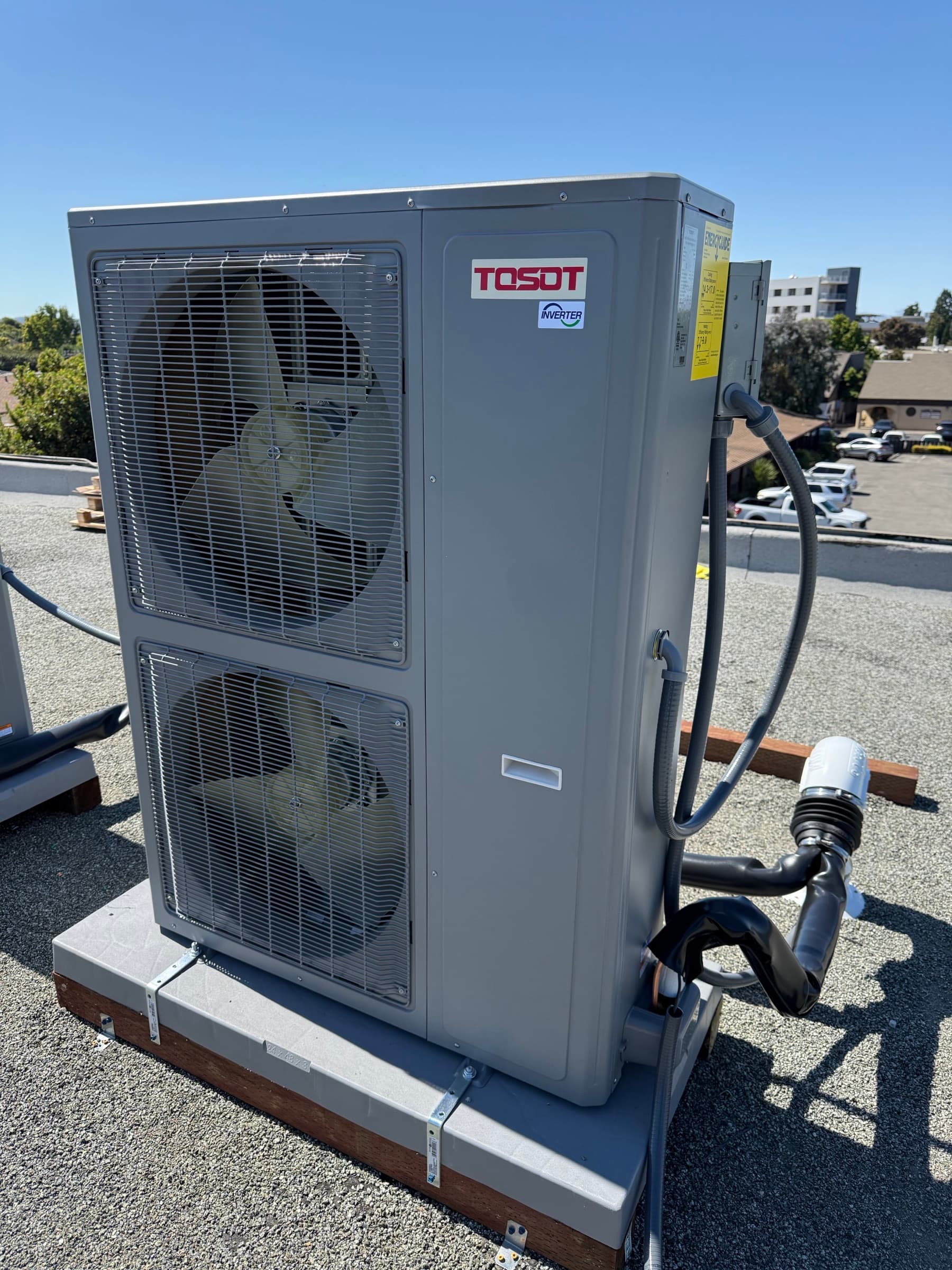
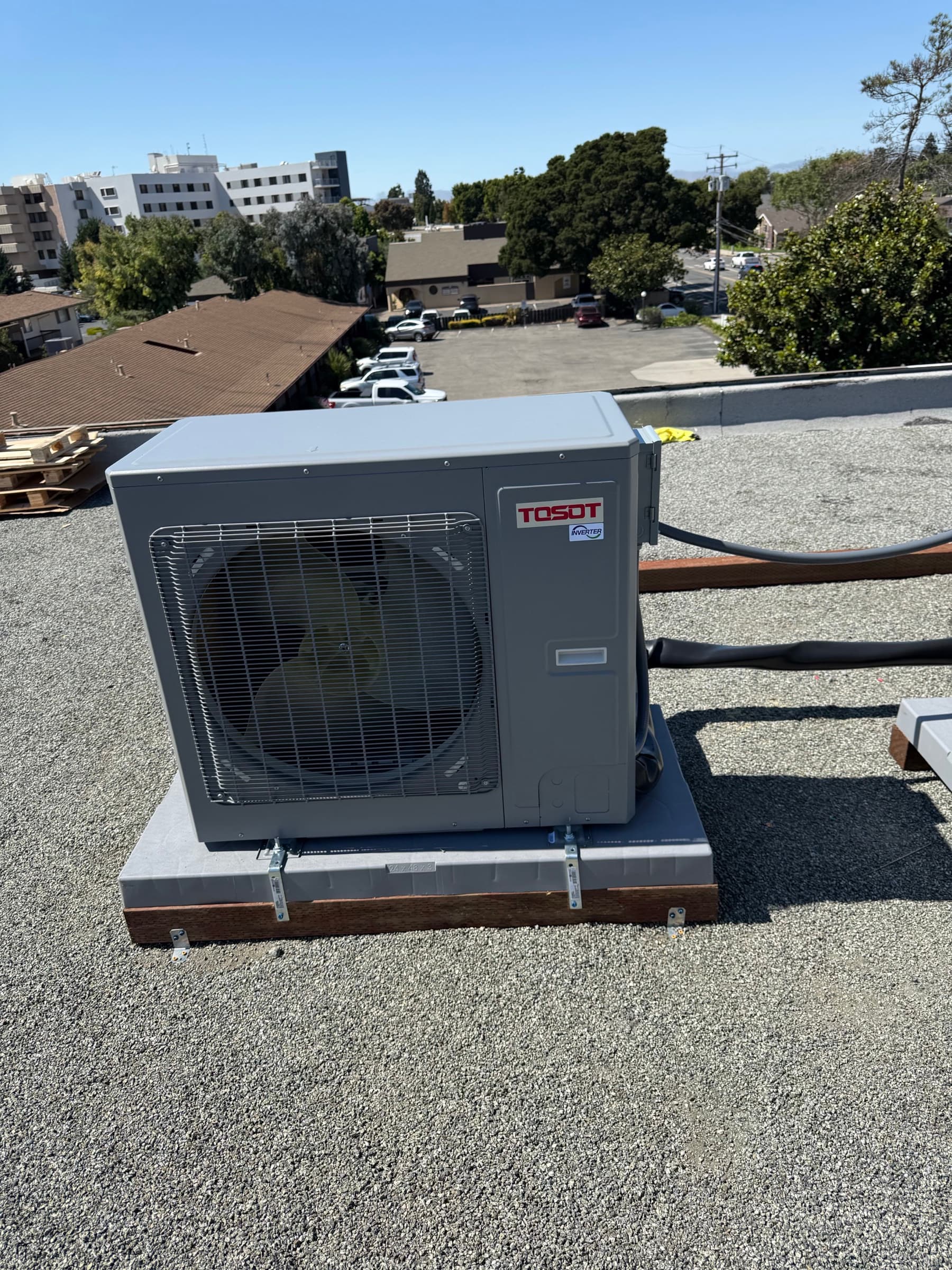
Here's what a lot of homeowners across San Jose, Santa Clara, and the rest of the Bay Area miss: if your AC is failing and your furnace is also aging, replacing both with a single heat pump is often the smarter move. A heat pump both heats and cools, runs at far higher efficiency than older equipment, performs well in our mild climate, and qualifies for federal rebates of up to $2,000 plus possible state and utility incentives.
And if you have rooms that never cooled well, or an addition or ADU with no ductwork, a ductless mini split can solve a comfort problem that a straight central-AC swap would just repeat. The point: a breakdown is the right moment to fix the underlying comfort issue, not just restore the status quo.
Repair vs. Replace at a Glance
| Factor | Lean Repair | Lean Replace |
|---|---|---|
| System age | Under 8 years | 10+ years |
| Repair cost | Minor wear part | Over 50% of new system |
| Repair history | First issue | Multiple recent repairs |
| Refrigerant | R-410A (current) | R-22 (phased out) |
| Efficiency | Bills steady | Bills climbing |
| Comfort | Cools evenly | Hot rooms / can't keep up |
The Bottom Line
Repair a newer system with a simple fault. Replace an older one with a major failure, rising bills, or R-22 refrigerant — and when you do, look at whether a heat pump or mini split solves a bigger comfort problem at the same time. The right answer depends on your specific unit, so get a straight diagnosis before you spend.
Not sure whether to repair or replace? We'll give you an honest assessment — no pressure to replace if a repair is the smart move. Call (408) 300-8254 for a free estimate in San Jose, Santa Clara, Sunnyvale, and across the Bay Area.