When a residential AC breaks, you're uncomfortable. When a commercial HVAC system goes down, you're losing money — by the hour, in front of customers, and sometimes into the dumpster. A restaurant that can't cool, an office that hits 85° on a Monday, a retail space with staff walking out, or a tenant whose lease guarantees a working environment: commercial downtime is a different problem than a cold house. Here's how commercial HVAC fails differently, what it actually costs you to wait, and what to look for in a company that won't leave you down through a business day.
Why Commercial HVAC Fails Differently Than Residential
Commercial systems aren't just bigger residential units — they're a different category of equipment with different failure modes and a different cost when they go down:
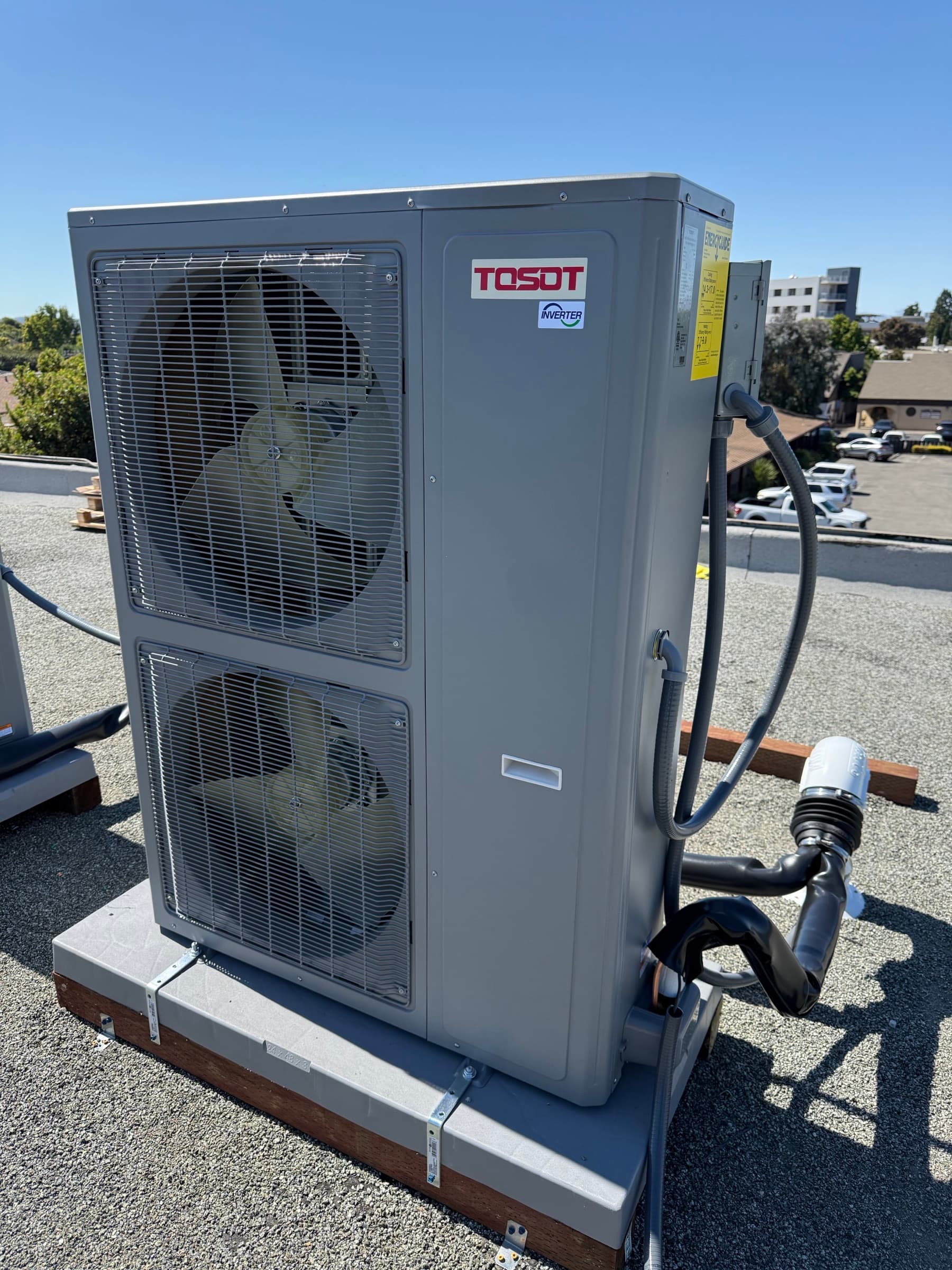
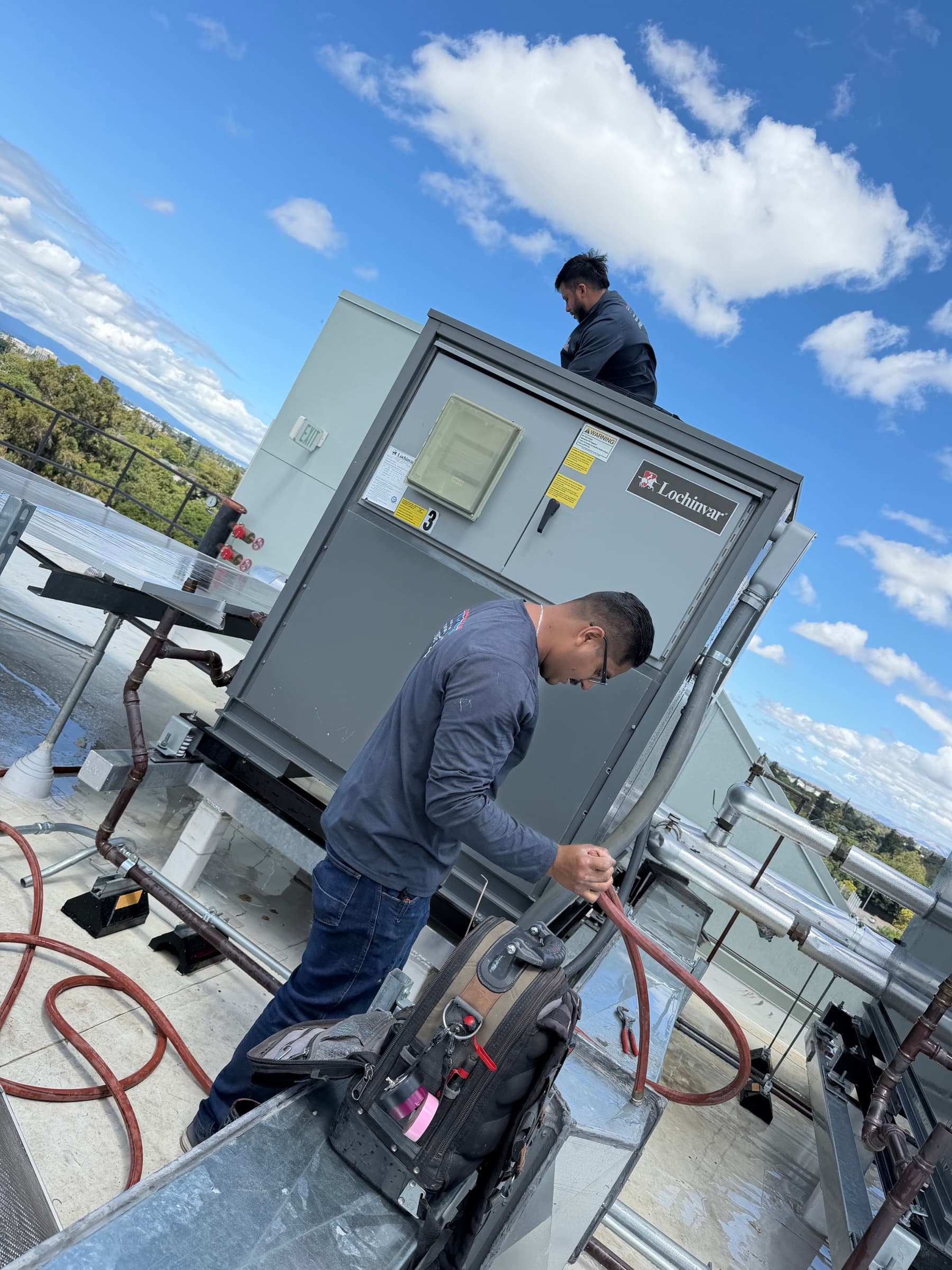
- Rooftop units (RTUs) — most light commercial buildings use packaged rooftop units that combine heating and cooling in one cabinet; a single failure takes out the whole zone.
- Far more run hours — a commercial unit may run 12+ hours a day, every business day, year-round; components wear on a faster clock than a home system that runs seasonally.
- Bigger tonnage, bigger refrigerant charges — a 10- or 20-ton system holds a lot more refrigerant, so a leak is a larger and costlier problem.
- Business disruption — the 'cost' isn't just the repair; it's closed seats, sent-home staff, spoiled inventory, and tenant complaints that show up the same day.
- Controls and building management — commercial systems often tie into a BMS or thermostat network, so a failure can be a controls problem, not a mechanical one.
What It Actually Costs You to Wait
The math on a commercial breakdown is different from a house. A restaurant that can't keep the dining room cool closes seats or closes the doors for the night — that's a full evening's revenue, plus perishable inventory. An office that hits the mid-80s sends staff home and loses a day of productivity. A retail space loses sales and foot traffic. And a tenant under a lease that guarantees a habitable environment gives you a written complaint, then a repair-and-deduct, then a lawyer — all on a faster timeline than a homeowner would ever push. The point isn't to scare you; it's that the cost of a slow response is usually larger than the repair itself, which is why response time matters more here than in a residential HVAC repair.
Common Commercial HVAC Failures
These are the failures we see most often on light commercial equipment across Santa Clara and the Bay Area:
- RTU compressor or fan motor failure — the rooftop unit stops cooling or heating the zone it serves; often the highest-impact single failure.
- Belt and drive issues — worn belts on belt-driven blowers reduce airflow or snap, taking the air handler down.
- Economizer problems — the economizer that brings in outside air for free cooling sticks open or closed, throwing off temperature and wasting energy.
- Refrigerant leaks on large systems — a leak on a high-tonnage unit is a bigger recharge and a bigger leak-repair job than a residential one.
- Controls, sensors, or BMS faults — the mechanical equipment is fine but a sensor or controller is lying, so the system won't run or runs wrong.
- Coil fouling and airflow — dirty condenser or evaporator coils on a hard-running commercial unit quietly cut capacity until a hot day tips it over.
Why After-Hours and Weekend Repair Matters
The best time to fix a commercial HVAC problem is when your business is closed — so the repair doesn't cost you a second hour of downtime on top of the first. A company that can work evenings, nights, and weekends, and that's willing to do the noisy, inconvenient work off-hours, is worth more than the cheapest daytime quote. We've done exactly this kind of work — maintaining and repairing systems for a university campus, government facilities, and church properties — where the only acceptable window was after hours, and the standard was that the building was back up and running before people walked back in. That's the bar for commercial: not just fixing it, but fixing it without making the business pay in lost hours.
What to Look for in a Commercial HVAC Company
- Response time — for commercial, same-day or next-day matters; a company that books you two weeks out is costing you more than the repair.
- After-hours availability — can they come evenings and weekends so the repair doesn't eat a business day?
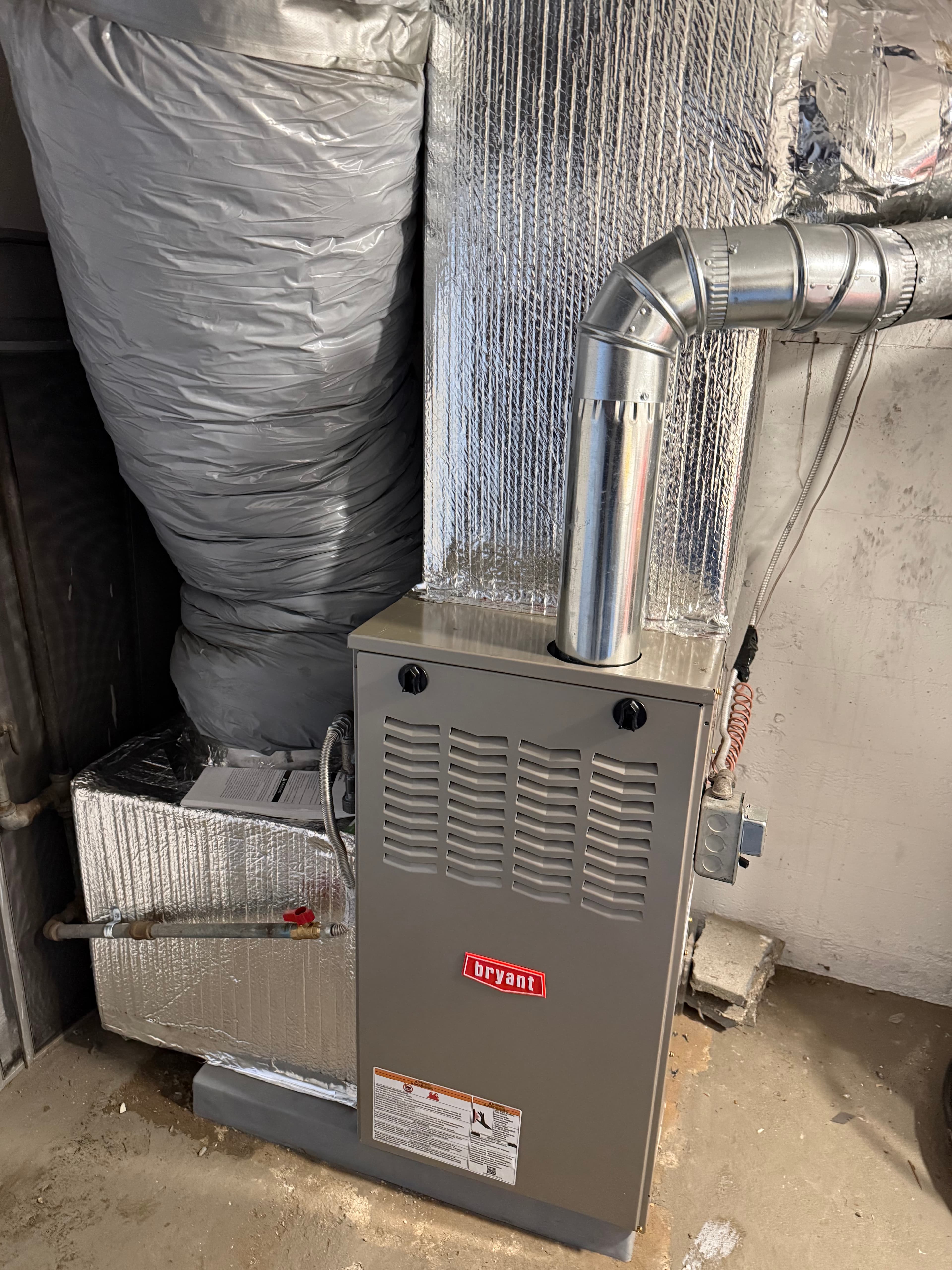
- Multi-brand capability — commercial buildings accumulate mixed equipment; a company locked to one brand can't service your whole building.
- A real preventive maintenance plan — the failures above are mostly preventable; scheduled maintenance catches a worn belt or a fouling coil before it takes down a zone on your busiest day.
- Owner accountability — when the owner is reachable and stands behind the work, the escalations get resolved instead of lost in a dispatch queue.
Residential vs Light Commercial vs Full Commercial
| Residential | Light commercial | Full commercial | |
|---|---|---|---|
| Typical equipment | Split system | Rooftop RTU, 5-25 tons | Central plant, 25+ tons |
| Run hours | Seasonal, evenings | Business hours, daily | Near-continuous |
| Cost of a down day | Discomfort | Lost revenue / staff | Closure / lease risk |
| Repair window | Same day nice-to-have | Same day important | After-hours critical |
| Maintenance need | Annual | Quarterly | Monthly / ongoing |
The Bottom Line
Commercial HVAC fails differently — rooftop units, high run hours, big refrigerant charges, and a downtime cost measured in revenue and tenant risk rather than comfort. The failures are mostly preventable with a real maintenance plan, and the ones that aren't need a fast, after-hours-capable, multi-brand response so the repair doesn't cost you a second business day on top of the first. A partner who can work when you're closed and stands behind the work is worth more than the cheapest daytime quote.
Commercial unit down and costing you business? Call (408) 300-8254 — same-day and after-hours commercial HVAC repair across Santa Clara, San Jose, and the Bay Area. We work when you're closed. No obligation.