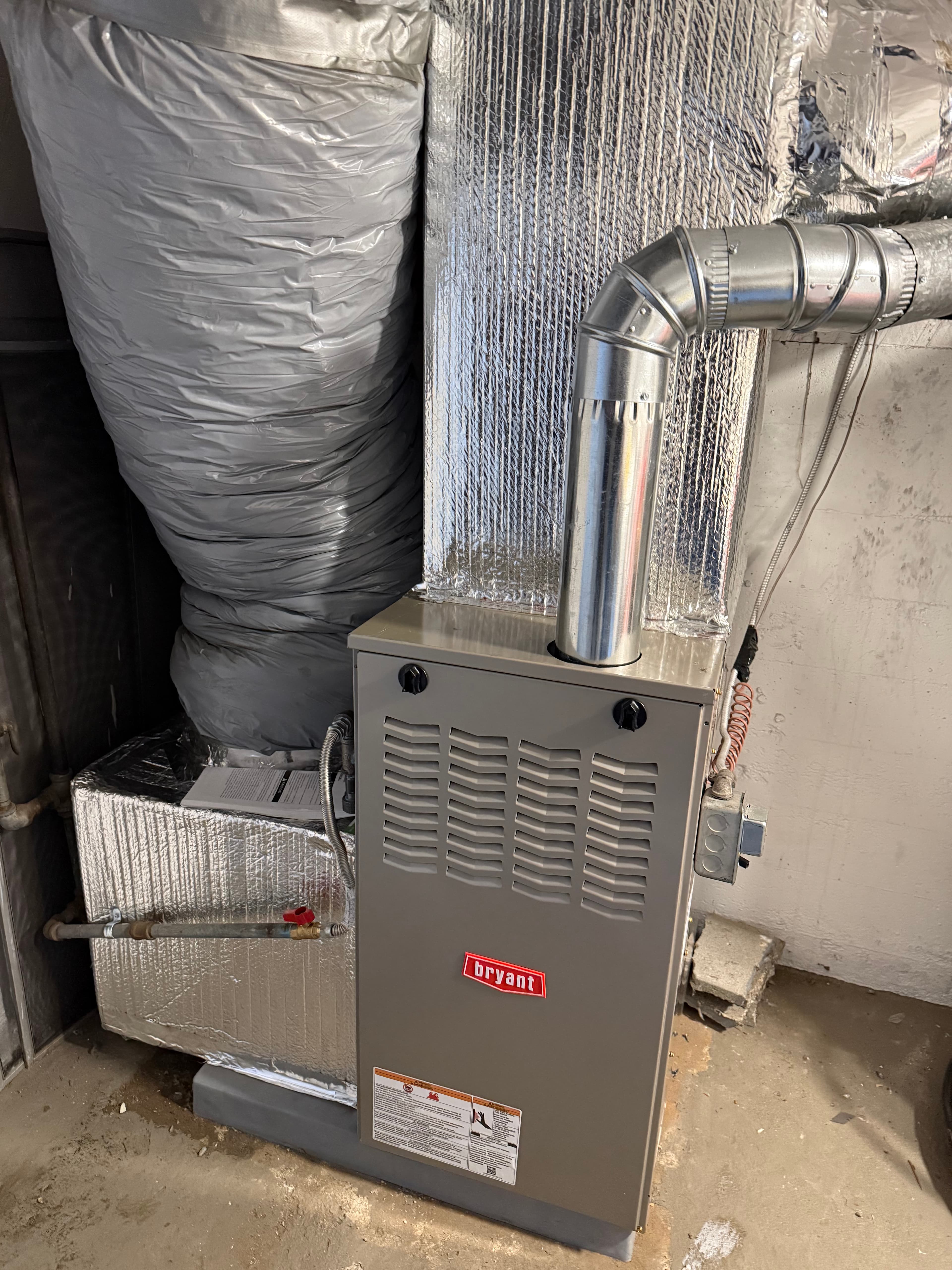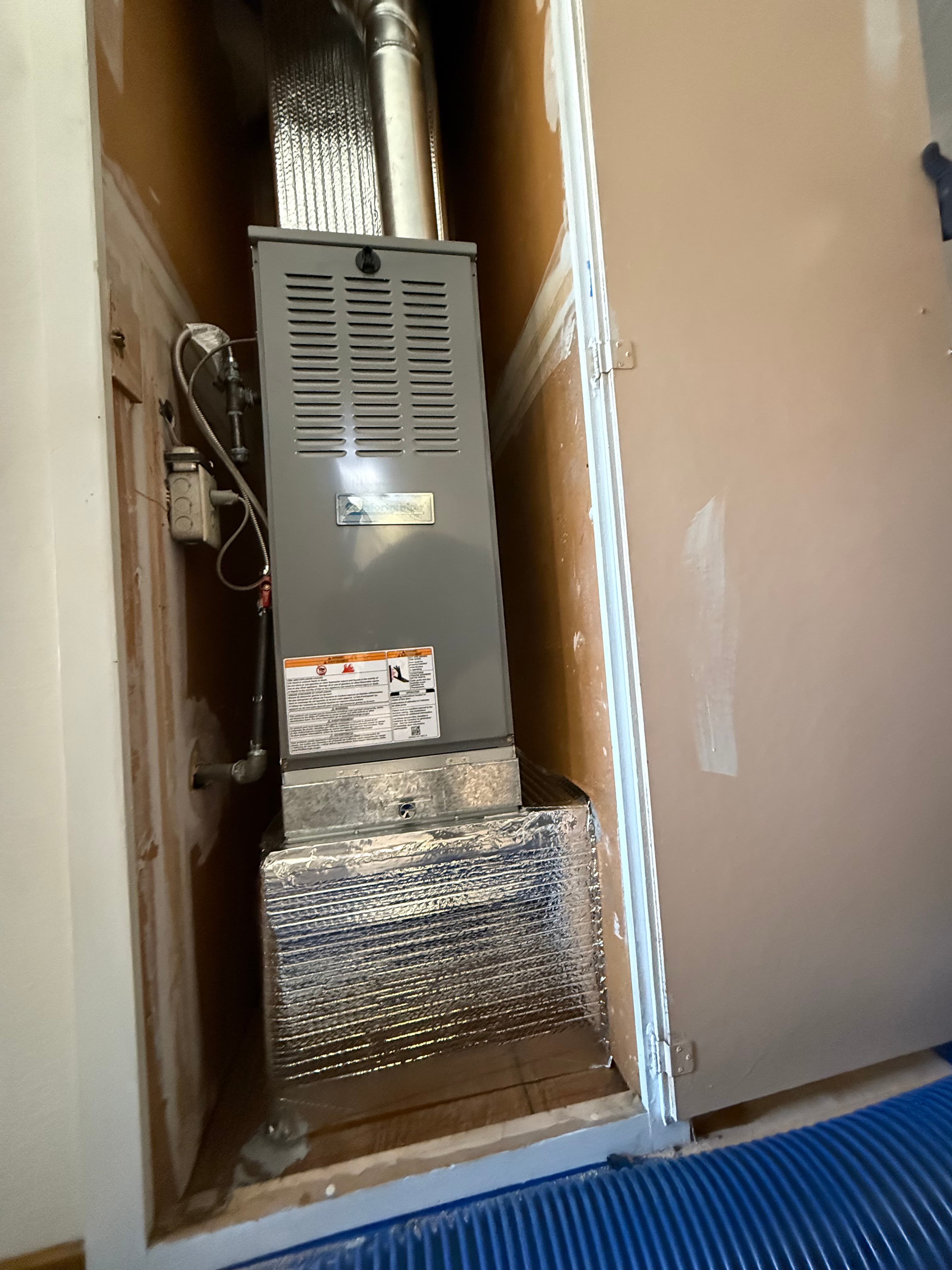
A furnace and AC quote over $20,000 cannot be judged by the total alone. In Santa Clara, compare the equipment, ductwork, permits and electrical scope in writing before deciding whether the quote is fair. EVS’s free HVAC quote review gives you a place to start.
Is a five-figure furnace and AC quote automatically too high?
No. A combined furnace and AC project can include much more than exchanging a furnace. It may replace indoor and outdoor cooling equipment, change the duct system, move equipment or correct electrical and venting issues. The useful question is what your home needs and which parts of that work the total actually covers.
A like-for-like replacement and a full system change are different jobs. A proposal to keep usable ducts should explain why they are suitable. A proposal to replace them should identify the problem. Price alone cannot tell you whether either recommendation fits your house, and a larger equipment package does not automatically solve poor airflow.
What furnace replacement price can you use as a starting point?
A typical gas furnace replacement in Santa Clara runs $4,500–$6,500 installed — like-for-like swap, with old-unit removal, permit, and labor included.
That furnace-only range is the starting point for a specific scope. It is not a price for a furnace plus AC, new ducts or a heat pump conversion. Ask which items in your proposal go beyond a like-for-like gas furnace replacement. You should be able to trace the difference to named equipment and work.
For furnace installation, furnace size, efficiency and access all matter. A project needing duct changes, a different vent route or electrical work needs its own assessment. Avoid subtracting a furnace-only range from a combined total and calling the remainder the AC price. Bundled proposals may share labor, controls and other work.
What changes the scope in Santa Clara and South Bay homes?
- Like-for-like or a system change? Keeping the same fuel, equipment location and air path is different from converting gas heat to a heat pump or adding cooling to a home without it.
- Ductwork: ask which supply branches, returns, connections and insulation need attention. Weak airflow in one room does not by itself establish that every duct needs replacement.
- Equipment selection: compare the actual indoor and outdoor models, heating capacity, cooling capacity and efficiency. A brand name alone does not tell you what is being installed.
- Permits and inspection: ask who obtains the permit, which fees are included and who arranges the final inspection. An unexplained promise to skip permits deserves a second opinion.
- Electrical work for heat pumps: the existing panel, household loads, circuit requirements and proposed equipment need assessment. A panel upgrade should have a reason specific to your home.
Mid-century ranch homes in Santa Clara often have attic or crawlspace ducts that need checking before new equipment connects to them. Old Quad bungalows may have later additions and altered heating layouts. In Pomeroy Green and Pomeroy West Eichler homes, original radiant-slab heat means a proposed forced-air conversion needs a clear plan for distributing air.
Your address also matters when discussing utility programs. Santa Clara’s electric utility is Silicon Valley Power; nearby South Bay homes may be in PG&E electric service territory. Confirm the utility for your property. Any program discussion should stay separate from the total installed price and should not turn an unconfirmed incentive into a promised discount.
Have a replacement proposal but no clear explanation of the scope? Ask EVS to compare the work with your home’s heating needs and provide a written furnace installation estimate.
Are good, better and best options a red flag?
Several options can help if each one explains the equipment and the practical difference for your home. The concern is pressure to choose a tier before anyone has diagnosed the old system or checked the installation. Ask what the basic option leaves unresolved and what a higher tier would change in the rooms you use.
A single-brand proposal is not automatically wrong either. Matched equipment and installer familiarity can matter. But a claim that only one brand can heat your home needs an explanation. Ask whether the proposed solution depends on a technical requirement, an existing control system or simply the equipment the contractor sells.
Other warning signs are a total without model numbers, vague allowances, no written exclusions, or a request to approve work before the permit plan is clear. A quote review should focus on those gaps. You do not need to prove that a contractor is dishonest to ask for enough information to make a decision.
What should a written HVAC estimate list?
Put proposals side by side and match the scope before comparing totals. If one includes duct replacement and another leaves the ducts untouched, ask both contractors to explain their choice. Keep the original proposals so revisions are easy to follow. A verbal promise about included work should appear in the version you approve.
- Equipment: manufacturer, model numbers, heating and cooling capacity, efficiency, thermostat and any accessories.
- Work retained and replaced: furnace, indoor coil, outdoor unit, refrigerant lines, ducts, returns, venting and drainage, as applicable.
- Electrical and fuel scope: circuits, disconnects, panel work, gas-line changes and any work assigned to another trade.
- Job completion: removal of old equipment, disposal, site protection, finish work, startup checks and an explanation of the controls.
- Permits, payment and warranty: permit responsibility, inspection arrangements, the total, payment schedule, written exclusions and equipment and labor warranty terms.
Ask how changes discovered during installation will be handled. If access is uncertain, the estimate should say what is known and what still needs checking. You want a clear approval step for added work rather than learning about a new charge after it is done. Keep a copy of the final scope with your equipment records.
Which three questions should you ask before accepting?
- 1What evidence says this equipment needs replacing, and is repair still a sensible option? Ask for the diagnostic findings and a repair scope if the furnace is safe to repair.
- 2What exactly does this total include and exclude? Have the contractor walk through equipment, ductwork, electrical work, permits and cleanup using the written estimate.
- 3What problem does each upgrade solve in my home? Ask how sizing, airflow and control choices address your actual cold rooms, noise or comfort concerns.
For a system that still operates safely, use the answers to decide what needs another opinion. If the furnace has stopped heating, a diagnostic can separate a failed part from a replacement project. EVS offers free diagnostics and written estimates before work. A quote comparison is useful, but it does not replace checking the equipment at your house.
How can you get a second look at an HVAC quote?
Start with EVS’s free HVAC quote review. Share the written proposal and explain what prompted the visit: a breakdown, uneven heating, aging equipment or a planned conversion. Include the equipment models and any photographs you can take safely. You do not need to enter an attic or open a furnace cabinet to request a review.
Ask which parts of the scope are clear and which require a site visit. If the proposal combines several projects, have them separated enough to understand your choices. A repair to restore heat, an optional comfort upgrade and a future conversion may have different reasons and timing. That distinction can make a large decision easier to assess.
To summarize: how do you tell if your HVAC quote is fair?
A fair comparison starts with the same equipment and written scope. Use the furnace-only replacement range for a like-for-like furnace job, then ask for the reasons behind additional work. Compare repair where it is safe and sensible, confirm permits and exclusions, and get a free HVAC quote review before approving a proposal you do not understand.
Still deciding whether the old furnace needs replacement? Request a free diagnostic and a written furnace repair estimate so you can compare an actual repair with the proposed installation.