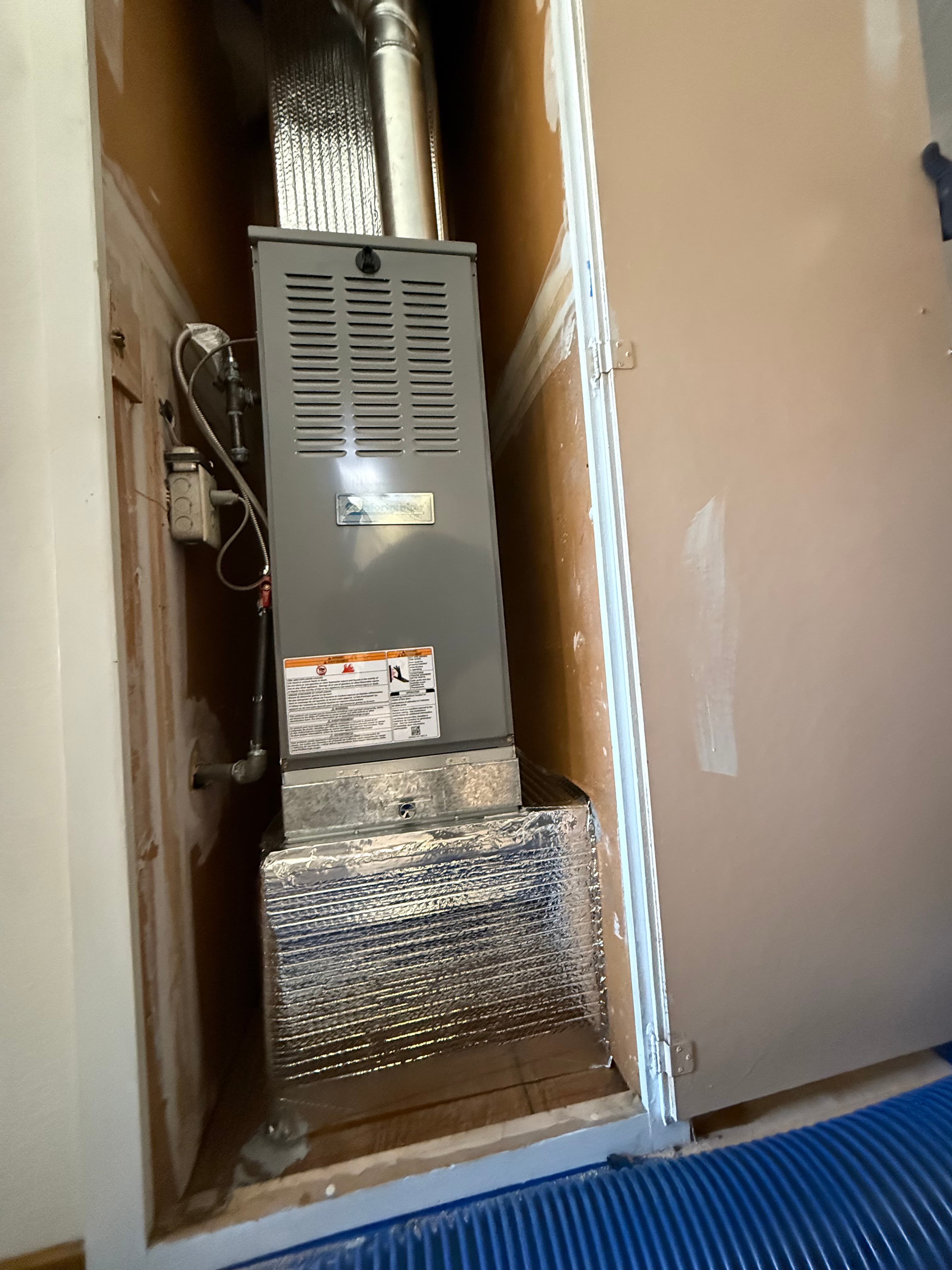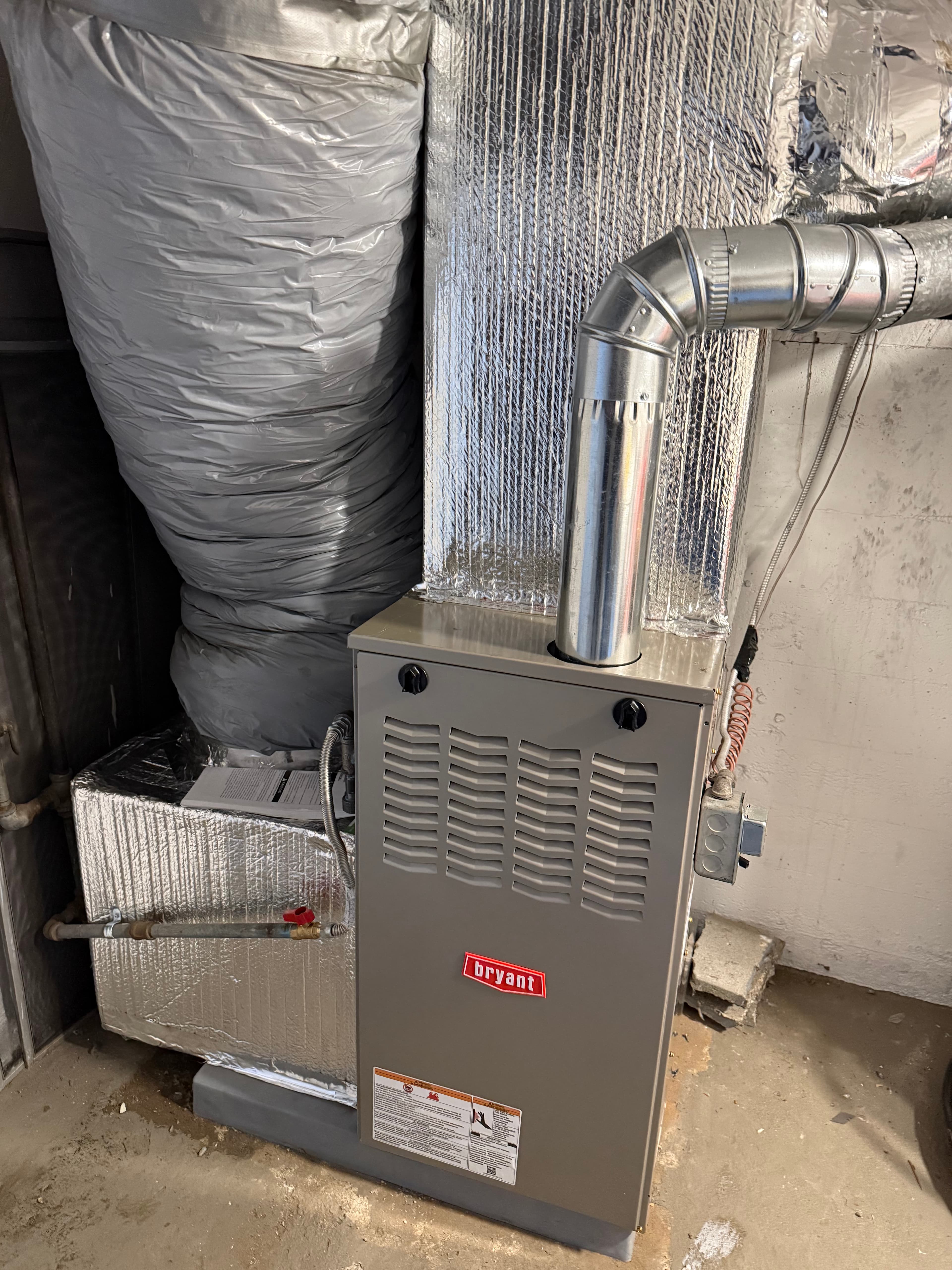
A faint burning-dust smell that fades after your first furnace start can be normal after months without heat. A sharp electrical or hot-plastic smell means stop the system and request service. A rotten-egg gas odor means leave immediately, avoid switches and call 911 or PG&E from a safe location outside.
Why does the furnace smell like burning when first turned on?
In the mild Bay Area, a furnace can sit idle for much of spring, summer and fall, sometimes around eight months between heating seasons. Dust settles on warm surfaces and in the air path. The first heating cycle can produce a faint dusty odor as those surfaces heat up and the blower moves air through the house.
That explains a common first-start smell, but it does not make every burning odor harmless. Pay attention to its character, whether it fades and whether the furnace heats normally. A sharp smell, visible smoke, a loud ignition bang or any alarm changes the response. Do not keep running the furnace simply because it is the first cold evening.
How long should a normal burning-dust smell last?
A light dust smell can begin fading within minutes of the first run. There is no universal safe timer: the smell should get weaker, not sharper, and it should not return strongly each cycle. If it persists, grows stronger or you cannot tell whether it is dust or electrical burning, stop the system and arrange furnace repair.
Observe the furnace from a normal, safe location. You do not need to remove panels, reach inside equipment or spray a cleaner into the cabinet. Note when the odor starts and whether the house warms. If you see smoke or suspect fire, leave and call 911 from outside rather than staying to investigate the heater.
What if the smell is electrical or like hot plastic?
A sharp electrical, melting-plastic or hot-rubber odor deserves a shutdown and professional inspection. Wiring, a motor or another overheated component may be involved. Stop the system if you can do so safely and call for service. Do not restart it to see whether the smell burns away, and do not repeatedly reset a tripping breaker.
If there is smoke, fire or a gas odor, leave immediately. The gas-odor instructions take priority over using the thermostat or a furnace switch. Describe the odor and any noise when requesting service, but keep clear of the equipment. A symptom can guide the diagnostic without proving that a particular motor or wire has failed.
What should you do about a rotten-egg or sulfur smell?
Treat a rotten-egg or sulfur odor as a possible gas leak. Get everyone out immediately. Do not turn lights, thermostats or other electrical switches on or off, use an automatic garage door, light a flame or use a phone near the suspected leak. From a safe location outside, call 911 or PG&E and follow their instructions.
Do not look for the leak, attempt a repair or go back inside until responders say it is safe. Silicon Valley Power is Santa Clara’s electric utility; a suspected gas leak still requires the gas emergency response. You do not need to know which furnace part is involved before leaving, and a faint odor is enough to take seriously.
What if the carbon monoxide detector sounds?
Leave for fresh air immediately and call 911 from outside if a CO alarm sounds. Stay out until emergency responders authorize re-entry. Carbon monoxide has no smell, so a lack of burning or rotten-egg odor cannot rule it out. Have the source investigated before using any equipment found unsafe.
Test your CO alarms before heating season using their test buttons and the manufacturer’s instructions. Replace batteries or an expired alarm as directed. A successful button test checks the alarm’s test function; it does not certify the furnace or venting. Never remove batteries to quiet an alarm while continuing to run the heat.
For a non-emergency first-start problem, describe the smell, sound and heating behavior when you request EVS’s free furnace diagnostic. You receive a written estimate before any repair work.
What does a musty smell from the vents mean?
A musty odor can be related to a dirty filter, moisture or buildup in the air path. It is different from the brief dry smell of heated dust. Check an accessible filter with the system off and look for visible moisture from a safe location. A smell alone does not confirm mold or identify where a problem is located.
If the odor continues, request an inspection rather than masking it with fragrance or spraying products into the return. Mention recent water intrusion, cooling-season drain problems or a filter that became damp. The visit should address the source and any moisture issue. Replacing a filter may help airflow but cannot repair a leak or wet insulation.
Which furnace noises are normal, and which need a call?
A click as heat is requested, the sound of the inducer motor and the blower starting can be normal. Ducts may tick as they warm. A new loud noise, a repeated failed start or a blower that struggles is different. Note whether the sound comes before ignition, during airflow or after shutdown.
- A bang as the burners light can indicate delayed ignition. Stop using the furnace and arrange a diagnostic. Do not keep cycling it or try to adjust the burners yourself.
- A squeal can come from blower motor bearings or, on equipment that uses one, a worn belt. Have it checked rather than reaching into the cabinet or applying lubricant at random.
- Clicking that never produces heat can point to an ignition, gas-supply, control or safety-switch fault. Do not try to light the burners manually or bypass a safety control.
- A rattle or hum that is new and persistent needs explanation, especially with weak airflow. Record it from a safe distance if possible and describe whether heat reaches the rooms.
What belongs on a 10-minute pre-season checklist?
Set aside ten minutes for basic checks before the first cold night. Do only what you can reach safely; a garage closet and an attic installation do not offer the same access. This checklist is preparation for a test run, not a burner inspection or a promise that every heating fault can be found at home.
- 1Filter: with the system off, check the accessible filter and replace it if dirty. Use the specified size and type, with the airflow arrow in the correct direction.
- 2Thermostat: replace batteries if your model uses them. Select Heat and set the temperature above the room reading. Confirm that a schedule is not canceling your setting.
- 3Air path: uncover supply registers and return grilles. Move furniture or stored items that block them, and leave room for air to circulate.
- 4CO alarms: use the test buttons, check battery and end-of-life instructions and make sure household members know to leave if an alarm sounds.
- 5Equipment space: clear stored boxes and combustible items from around the furnace, especially in a garage or utility closet. Follow the equipment’s clearance instructions and keep combustion-air openings clear.
- 6Test run: start the heat while you are home before the first cold night. Observe smells, sounds and room warming, then report anything unusual rather than repeating failed starts.
Santa Clara ranch homes may have crawlspace or attic ducts, while Old Quad bungalows can have later heating additions. Check the registers you actually use and note rooms with weak air. Pomeroy Green and Pomeroy West homes may have radiant floors plus added mini-splits; identify which heating system you are testing.
When should you call for local heating service?
Book a diagnostic for persistent burning, repeated clicking without heat, an ignition bang, squealing or a furnace that stops before the house warms. Ask about preventive maintenance for seasonal care of a working system. If you noticed trouble last winter, describe it now even if the furnace starts during the test.
By city: furnace repair in Santa Clara; furnace repair in Sunnyvale; furnace repair in San Jose; furnace repair in Palo Alto. When booking, mention equipment access and whether the problem affects every room. Emergency gas, fire and CO concerns go to emergency responders before a repair appointment.
If nothing starts after an outage, remember that gas heat still needs power for its controls and blower. For that separate question, read: does a gas furnace work without electricity? Check for a known outage before treating a silent system as a failed furnace, and avoid repeated resets.
To summarize: what is normal at the first winter start?
A faint dusty smell that fades and ordinary startup sounds can be normal after a long idle season. Persistent odors, hot-plastic smells, loud ignition bangs and failed starts need a diagnostic. A suspected gas leak, fire or CO alarm means leave and call for emergency help. Test working heat before the first cold night.
Ready to check a working system before winter use? Ask EVS about preventive maintenance and mention any smells, noises or uneven heating so the visit addresses your concerns.