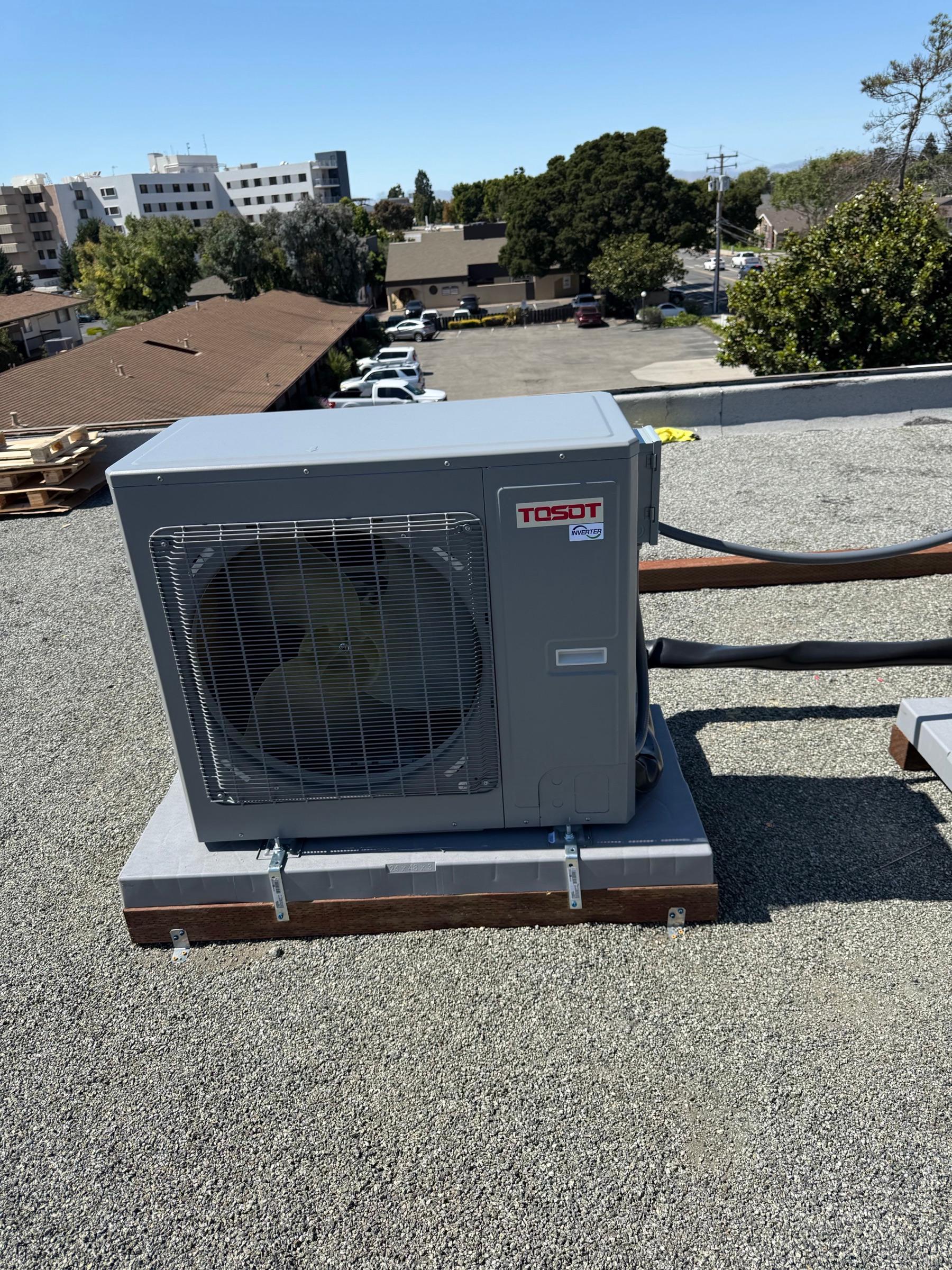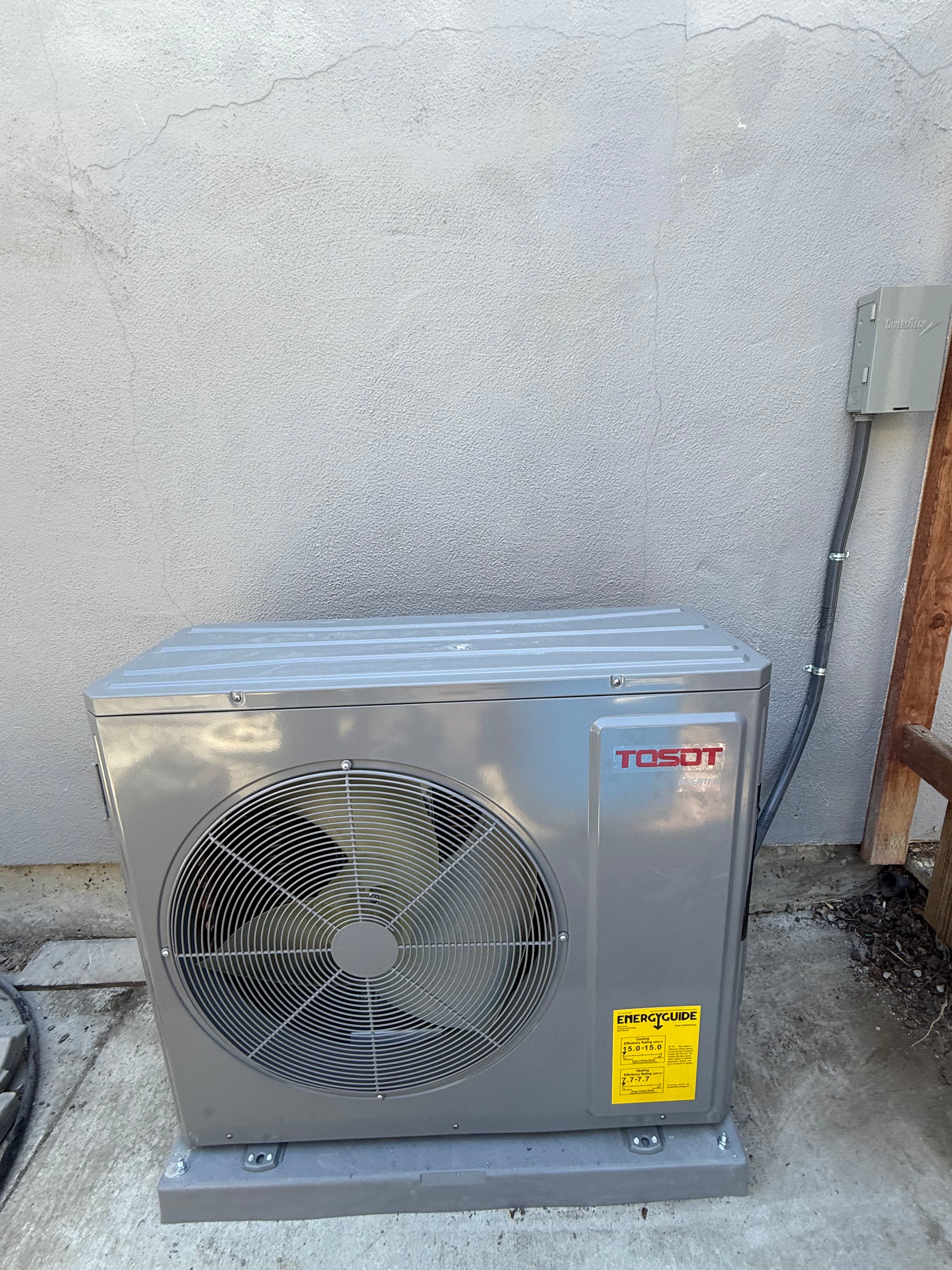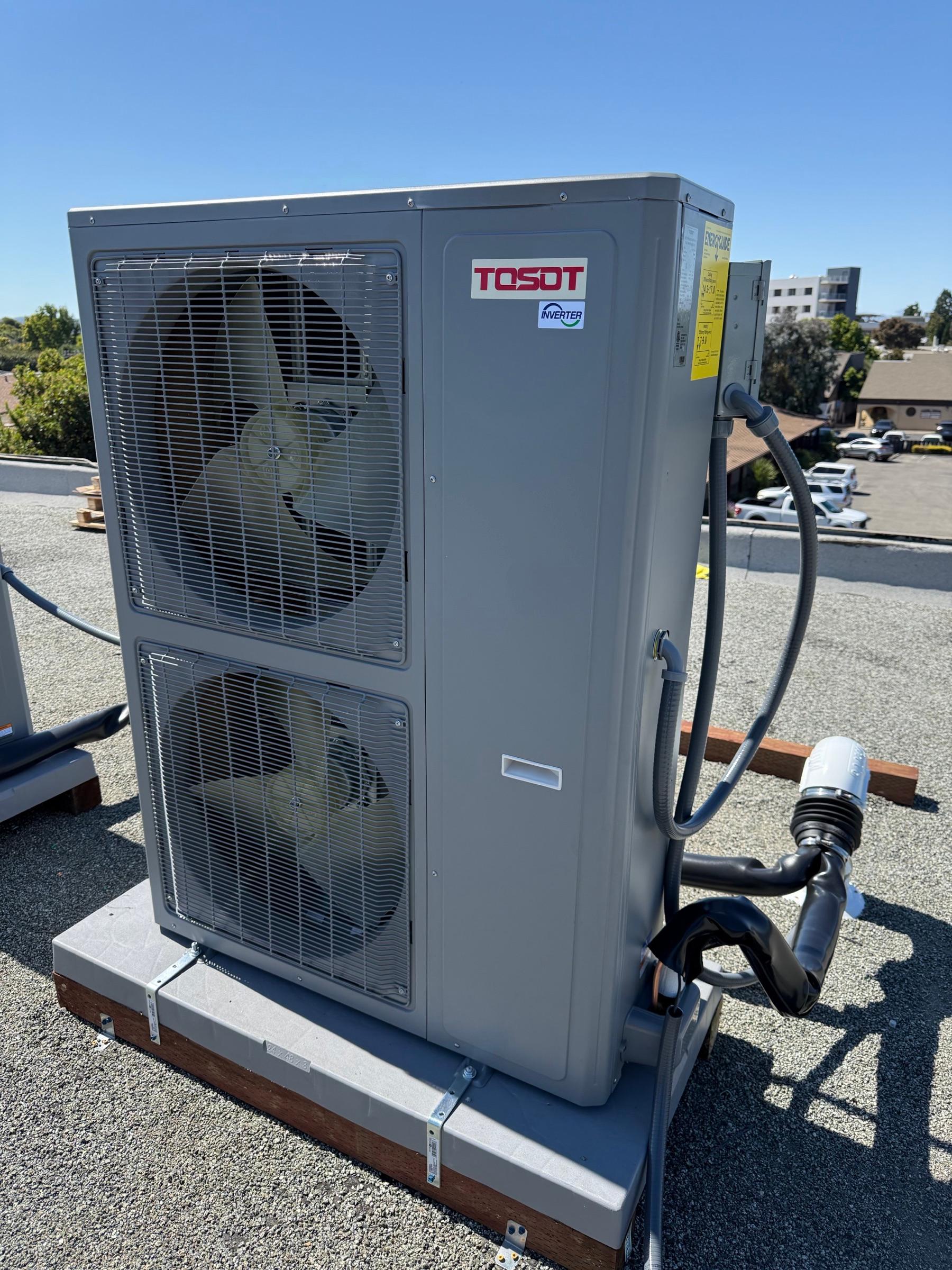
A heat pump blowing cold air briefly in winter may be in a normal defrost cycle. Air that feels lukewarm can also be normal if the room temperature rises. If the house stays cold, ice does not clear or heating repeatedly stops, request heat pump repair in Santa Clara, CA.
Why does a heat pump feel cooler than a gas furnace?
A heat pump moves heat instead of making it with a gas flame. Its supply air can feel less hot than furnace air while still warming the room. If you recently switched from a furnace, the old hand-at-the-register test can be misleading. Watch whether the indoor temperature moves toward the thermostat setting over a heating run.
Longer, steadier operation can also be normal, particularly with variable-speed equipment. A quiet system running for longer does not by itself prove the heat pump is not heating. The useful distinction is between air that feels different from your old furnace and a house that actually fails to warm.
What happens during a normal heat pump defrost cycle?
In cool, damp winter conditions, frost can form on the outdoor coil while the heat pump gathers heat from outside. The system briefly reverses operation to warm that coil and melt the frost. Indoor airflow may pause or feel cooler during the change. The outdoor fan may stop, and you may see a brief cloud of water vapor.
That steam-like vapor can be normal defrost, especially when it disappears and heating resumes. A defrost cycle should be short and temporary. The exact sequence and duration depend on the equipment and conditions. Look for a return to heating and an outdoor coil that clears rather than assuming every visible cloud or pause is a breakdown.
Observe from a safe distance. Do not open the cabinet, force the fan to turn or put your hand near moving parts. If there is a burning odor, smoke, sparks or another sign of an electrical problem, stop using the system if safe and get help. Smoke with a burning smell should not be dismissed as normal defrost vapor.
When is cold air a sign of a real heating problem?
A heat pump not heating is more than a brief cool interval. The room temperature keeps falling, the unit runs without recovery or it stops repeatedly before meeting the setting. Record the thermostat mode, outdoor conditions and what you see at the outdoor unit. These details help separate a defrost interruption from an ongoing fault.
- Cold air continues after the brief defrost behavior ends, and the rooms do not warm.
- The outdoor unit stays encased in ice or quickly freezes again without clearing.
- The system starts and stops repeatedly, or a fault code appears on the thermostat or indoor head.
- Auxiliary heat stays on through ordinary mild weather, or emergency heat is the only way the house warms.
- Airflow becomes weak or disappears, even though the thermostat continues asking for heat.
Heat pump blowing cold air while the house stays cold? Request EVS’s free diagnostic for heat pump repair in Santa Clara. Tell us whether you have central ducts or mini-split heads; you receive a written estimate before work.
Could the thermostat be in Cool, Auto or Emergency Heat?
Start with the thermostat. Select Heat and set a temperature above the room reading. On controls with an Auto changeover mode, check the heating setpoint as well as the cooling setpoint. A schedule, away setting or recent app change may be asking for something different from what you expect.
The fan setting is separate. Fan On can circulate room-temperature air between heating calls, which may feel like the heat pump blowing cold air. Fan Auto generally runs the blower as the system requires. Read your control’s instructions because thermostat mode names and blower behavior vary by equipment.
Emergency Heat is not a faster version of normal heating. On systems equipped for it, that setting can bypass the heat pump and rely on backup heat. Not every installation has backup heat, and many mini-splits have no such mode. If you need it because normal heating fails, ask for diagnosis rather than leaving the fault unexplained.
After a thermostat replacement, incorrect configuration can affect heating or backup operation. Tell the technician when the control changed and whether cooling still works. Do not move wires or change installer settings by guessing. A control problem and a failed refrigerant component can produce similar complaints but require different repairs.
What if the outdoor unit is iced over and will not clear?
A light frost that clears in defrost differs from a thick layer of ice that remains. Persistent icing can involve airflow, a sensor, defrost controls, the fan or the refrigerant circuit. It needs a diagnostic. You cannot identify which part failed from a photo of ice alone.
Check from ground level for leaves or stored items blocking outdoor airflow. Do not reach into the fan or dismantle guards. Never chip ice from the coil or pour boiling water over the unit. If ice prevents normal operation or reaches moving parts, stop the system and call for service rather than repeatedly forcing a restart.
Can a dirty filter or frozen indoor coil cause no heat?
A clogged filter or blocked return can restrict airflow and reduce performance. Check an accessible ducted-system filter with the system off, using the specified replacement size and type. Uncover return grilles and supply registers. A filter check is a useful first step, but it does not establish that airflow is the only problem.
A frozen indoor coil is not a normal heating-mode defrost event. Depending on the operating mode and fault, airflow or refrigerant problems can contribute to icing. Report where you see ice and whether the system was heating, cooling or changing modes. Do not assume ice indoors will resolve through the outdoor defrost routine.
If accessible indoor equipment or a refrigerant line is iced, stop operating the system and arrange inspection. Avoid touching refrigerant lines or opening panels. Tell EVS about water near the equipment, recent filter changes and any loss of airflow. Those observations can help without requiring you to diagnose a frozen coil yourself.
Could a refrigerant leak cause a heat pump not heating?
Yes. A low refrigerant charge can reduce the system’s ability to move heat, but cold air alone does not prove a leak. Controls, airflow and other components also need checking. A qualified technician should establish the fault and explain what the proposed repair addresses before refrigerant work begins.
Refrigerant is not a fuel that normally needs topping up each winter. If a leak is suspected, ask what supports that finding and how the leak will be addressed. An unexplained refill leaves the cause unresolved. Keep the diagnostic and completed-work information so a returning symptom has a clear service history.
Why is auxiliary heat running constantly?
Backup heat may assist during defrost or when the heat pump cannot meet demand. A brief auxiliary indication can be normal on equipment that includes it. Constant backup operation during mild South Bay weather deserves a check, especially if the rooms remain cold or normal heat-pump operation never returns.
Large thermostat changes, control setup, inadequate airflow or a heat-pump fault can affect backup use. Describe whether the display says Auxiliary or Emergency Heat and when it appears. These labels do not prove that backup equipment is installed or working correctly. Have the technician confirm the actual system and its settings.
What is different for ducted heat pumps and ductless mini-splits?
A ducted heat pump sends air through central supply and return ducts. In Santa Clara ranch homes with attic or crawlspace ducts, note whether every room lost heat or only one branch feels weak. A whole-house equipment fault and a room with an airflow problem may need separate explanations.
A ductless mini-split has indoor heads with their own filters and controls. Check that the affected head is set to Heat and record any displayed code. On many multi-zone systems, heads sharing one outdoor unit cannot heat and cool at the same time. Check the operating instructions and tell the technician which heads still heat.
Pomeroy Green and Pomeroy West Eichler homes began with radiant-slab heating rather than forced-air ducts. If your home later added mini-splits, explain whether the cold rooms normally use floor heat or the indoor heads. A boiler problem and a mini-split problem belong to different diagnostic paths even when both leave the same room cold.
How do Santa Clara utilities fit into the decision?
If you recently switched to a heat pump, ask for an explanation of normal winter operation before assuming the new air temperature means failure. Silicon Valley Power rebate programs may be part of a Santa Clara conversion discussion; neighboring PG&E service territory has different utility arrangements. Confirm the utility and any program terms for your address.
A repair request should still start with the symptom. A previous rebate, a recent conversion or an equipment brand does not explain why the system stopped heating. If the diagnostic leads to replacement planning, compare a separate heat pump installation scope that identifies the equipment, distribution, controls and electrical work.
To summarize: is your heat pump’s cold air normal?
Brief cool air during defrost, outdoor water vapor and supply air that feels less hot than a furnace can be normal when heating resumes and the rooms warm. Persistent cold air, uncleared ice, weak airflow or constant backup heat needs a diagnostic. Record the symptoms and request heat pump repair in Santa Clara, CA.
Request a free diagnostic for your ducted or ductless heat pump. Describe cold air, ice, fault codes and thermostat settings so EVS can explain the findings and provide a written estimate before any work.