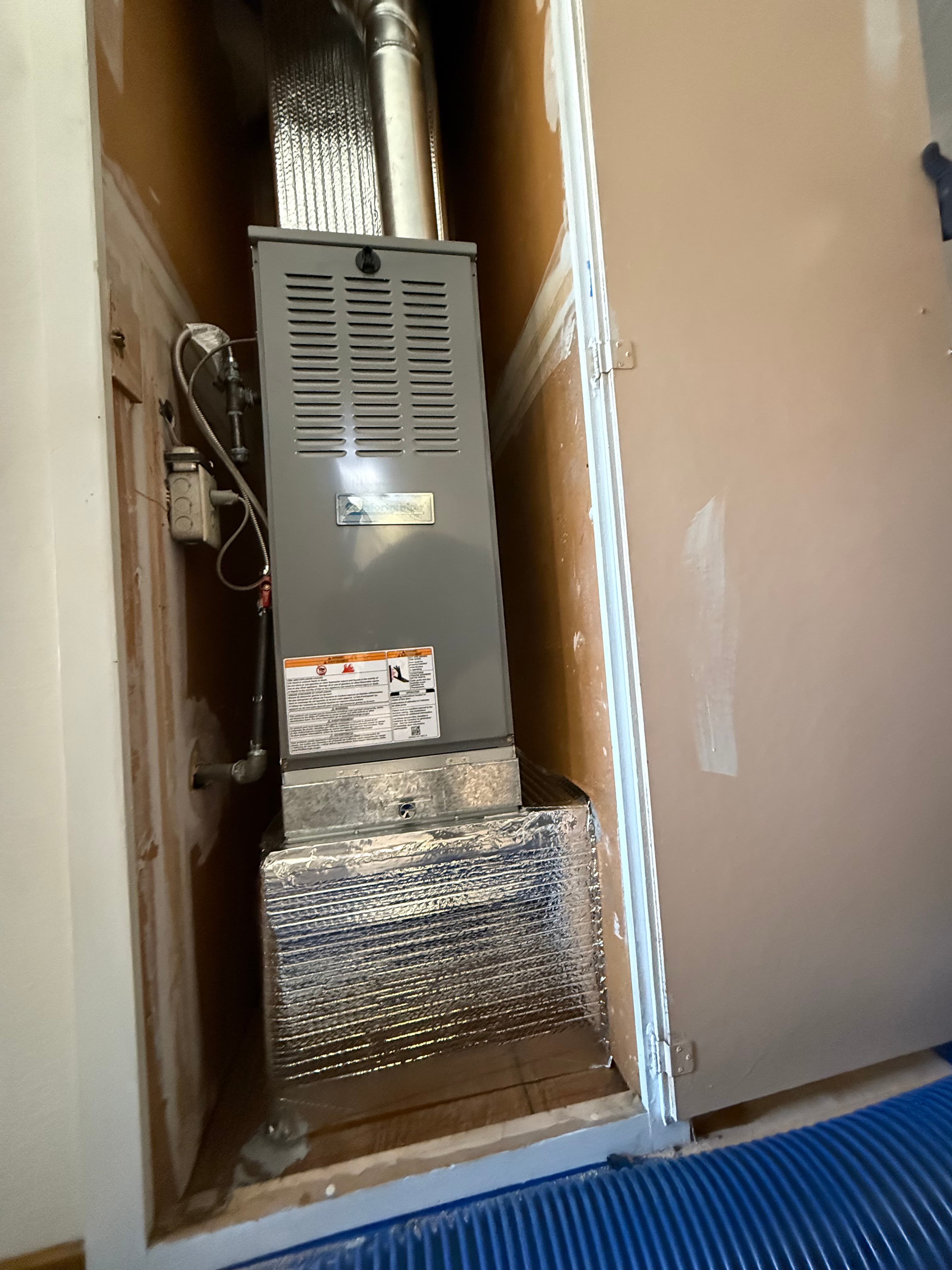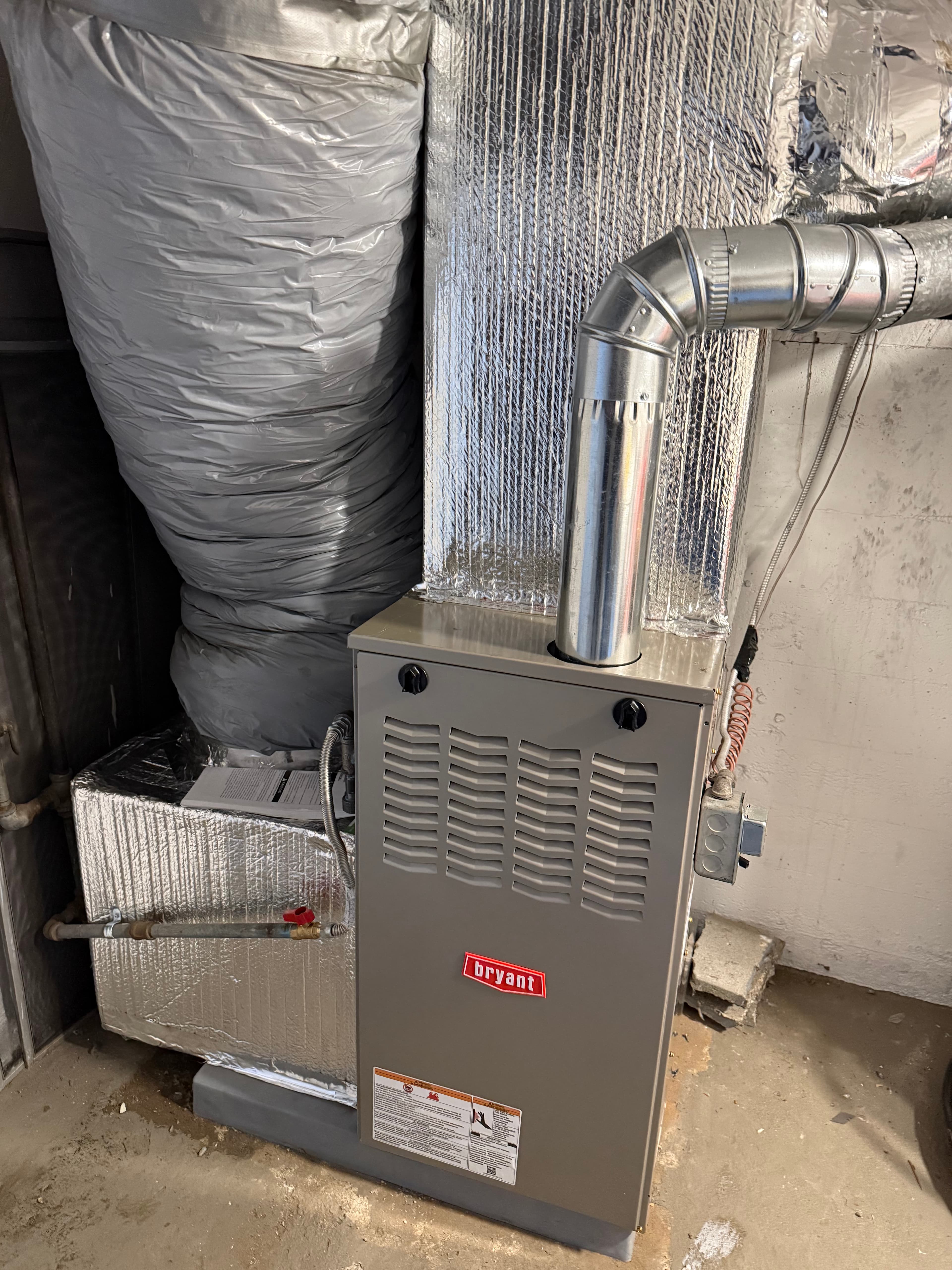
A 20–25 year old furnace deserves a safety check and a repair estimate before you decide. The $5,000 rule multiplies age by repair cost; a result above 5,000 suggests considering replacement. It is a rule of thumb, and a confirmed cracked heat exchanger or carbon monoxide problem takes priority over the math.
Should a 20 or 25 year old furnace always be replaced?
Age raises the need for a careful inspection, but it does not prove the furnace is beyond repair. An older unit with a sound heat exchanger and an isolated ignition fault presents a different decision from one with repeated failures. Start with what failed, whether it is safe to operate and what the proposed repair will restore.
Bay Area winters are mild compared with colder parts of the country. Furnaces can accumulate fewer heating hours and may outlast national averages. That is a reason to inspect the actual equipment, not a promise of more years. Age, maintenance, corrosion, airflow and the condition of safety controls still matter in Santa Clara and the South Bay.
EVS’s approach is straightforward: If your furnace still has life and a repair makes sense, we say so. A free diagnostic comes first. You can then compare a written furnace repair estimate with a replacement scope instead of deciding from the serial number or a national lifespan chart alone.
What is the $5,000 rule for a furnace?
Multiply the furnace’s age in years by the quoted repair cost. If the result is greater than 5,000, lean toward considering replacement. A result below it supports considering repair. The calculation is a prompt for comparison, not a safety test, a predicted lifespan or a requirement to replace equipment.
For example, take two furnaces facing the same repair. The older one produces a larger result because you multiply by more years. The rule is trying to account for the chance of putting repair money into equipment near the end of its useful life. It cannot tell you what the next failure will be or when it will happen.
Use the current repair estimate for the calculation, not the original purchase price or an unrelated service charge. Then ask whether the repair fixes one clear fault or leaves other known problems unresolved. A neat multiplication result cannot make an incomplete diagnosis useful, and a high result cannot establish that the furnace is unsafe.
Where does the rule break down for South Bay homes?
- Operating hours: two furnaces of the same age may have done very different amounts of heating. A lightly used Bay Area furnace needs assessment on its own condition.
- Previous work: a recently replaced blower or control board changes the equipment history. Ask what is still original and what the current failure tells you.
- Repeat failures: several service calls, unavailable parts or unresolved overheating can make a small-looking repair less attractive.
- Replacement scope: new equipment may also need venting, duct changes or electrical work. Compare the complete installation with the complete repair.
- Comfort and airflow: a new furnace cannot be assumed to fix a leaking duct, blocked return or poorly served bedroom. Identify those problems separately.
The rule also ignores your plans for the house. A planned remodel or heat pump conversion can change the timing of replacement. Tell the technician what you are considering, but ask for a repair option where it is safe and practical. You should understand the immediate heating decision before adding a larger project.
Unsure whether another repair makes sense? Request EVS’s free furnace diagnostic and a written estimate. Ask what failed, what condition the rest of the system is in and whether replacement deserves comparison.
When do a cracked heat exchanger or CO concerns mean stop?
The heat exchanger keeps combustion gases separate from the air circulated through your rooms. A confirmed crack is a safety issue. On a 20–25 year old furnace, stop using the equipment and plan replacement rather than treating the crack as a patch job. Ask the technician to document the finding and explain the shutdown and replacement recommendation.
If a carbon monoxide alarm sounds, get everyone outside into fresh air immediately and call 911 from outside. Stay out until emergency responders say it is safe to return. CO cannot be seen or smelled. A quiet furnace, a normal-looking flame or the absence of a gas odor does not establish that the house is safe.
A CO incident requires investigation of the source. If the furnace is confirmed as unsafe, keep it out of service and address the safety fault before discussing continued use. Do not use the age-times-cost rule to justify running unsafe equipment. A normal home alarm test also does not substitute for a combustion safety inspection.
Which findings make repair worth discussing?
A diagnosed igniter, flame sensor, thermostat or control fault can be a repair discussion when the rest of the furnace is in suitable condition. A dirty filter or blocked airflow may explain overheating and shutdown. The technician still needs to establish the cause rather than replacing the same failed part without addressing why it failed.
Ask what the repair includes, whether the needed part is available and how operation will be checked afterward. If the furnace has a history of stopping after a minute, describe that history. A repair that restores ignition should also leave you with an explanation of any remaining concerns about airflow, venting or the heat exchanger.
Keep earlier invoices and note whether the current symptom is new. Repeated clicking, a blower that runs without heat and an unresponsive thermostat can have different causes. Reporting those details helps make the estimate specific. You do not need to open the burner compartment or try to clean internal parts yourself.
What should you compare with furnace installation?
Compare the full repair scope with the full furnace installation scope. Ask for the equipment model, capacity, efficiency, permit, removal, labor and any duct or venting work. A replacement should be sized for the house and its current condition. Repeating the old furnace size without checking the heating need can carry an old problem into the new system.
Santa Clara ranch homes may have attic or crawlspace ducts worth evaluating before replacement. Old Quad bungalows can have additions that changed the heating load. A Pomeroy Eichler with radiant floors may not have original forced-air ducts at all. Confirm which heating equipment is failing before comparing a furnace project with a different type of heating conversion.
If you want to compare a heat pump too, identify your electric utility and the changes the project requires. Silicon Valley Power serves Santa Clara electric customers; neighboring addresses may use PG&E. Program eligibility and equipment choices need checking for your address. Keep those questions separate from whether the current furnace can be repaired safely.
What should you ask during a free diagnostic?
- 1What is the confirmed failure, and is the furnace safe to run while I decide?
- 2What does the repair restore, and are there other known faults or parts concerns?
- 3What does replacement include that repair does not, and which changes are required for my house?
- 4How will you check the heating result, and what symptoms should I report if the problem returns?
Use the same approach if you are also deciding what to do with aging cooling equipment. AC repair vs. replace in the Bay Area explains the cooling-side decision. Keep each system’s diagnosis clear so a furnace fault does not automatically become a reason to replace a working AC.
Where can you request furnace repair by city?
By city: furnace repair in Santa Clara; furnace repair in Sunnyvale; furnace repair in San Jose; furnace repair in Palo Alto.
When booking, give the age if known, the symptom, the equipment location and any previous repair history. Mention whether the whole home lost heat or only one area feels cold. Ask for the diagnostic findings and written options before choosing a repair or replacement.
To summarize: should you repair or replace the old furnace?
Start with safety and a free diagnostic. Use age times repair cost as one rough comparison, then consider equipment condition, repeat failures, parts and the complete replacement scope. A sound older furnace with a clear repair may still have useful life; a confirmed cracked heat exchanger on an aging furnace calls for replacement.
If the findings favor replacement, ask EVS for a written furnace installation estimate that explains sizing, permits and the work your home needs. Compare that scope with the repair option before approving the next step.